




By Hola Iowa
Waukee now bans high-speed e-motos from sidewalks and multi-use trails. E-bikes and lower-speed electric scooters may still use them under separate rules.
Waukee, IA — Waukee riders now have clearer rules for e-bikes, electric scooters and high-powered electric motorcycles, often called e-motos.

The City Council approved the ordinance on July 20. It separates standard e-bikes and scooters from devices with motors above 750 watts. Waukee regulates those higher-powered devices more like mopeds or motorcycles.
The rules apply throughout Waukee, including streets, sidewalks, multi-use trails and city parks.

E-bikes can still use streets, sidewalks and trails
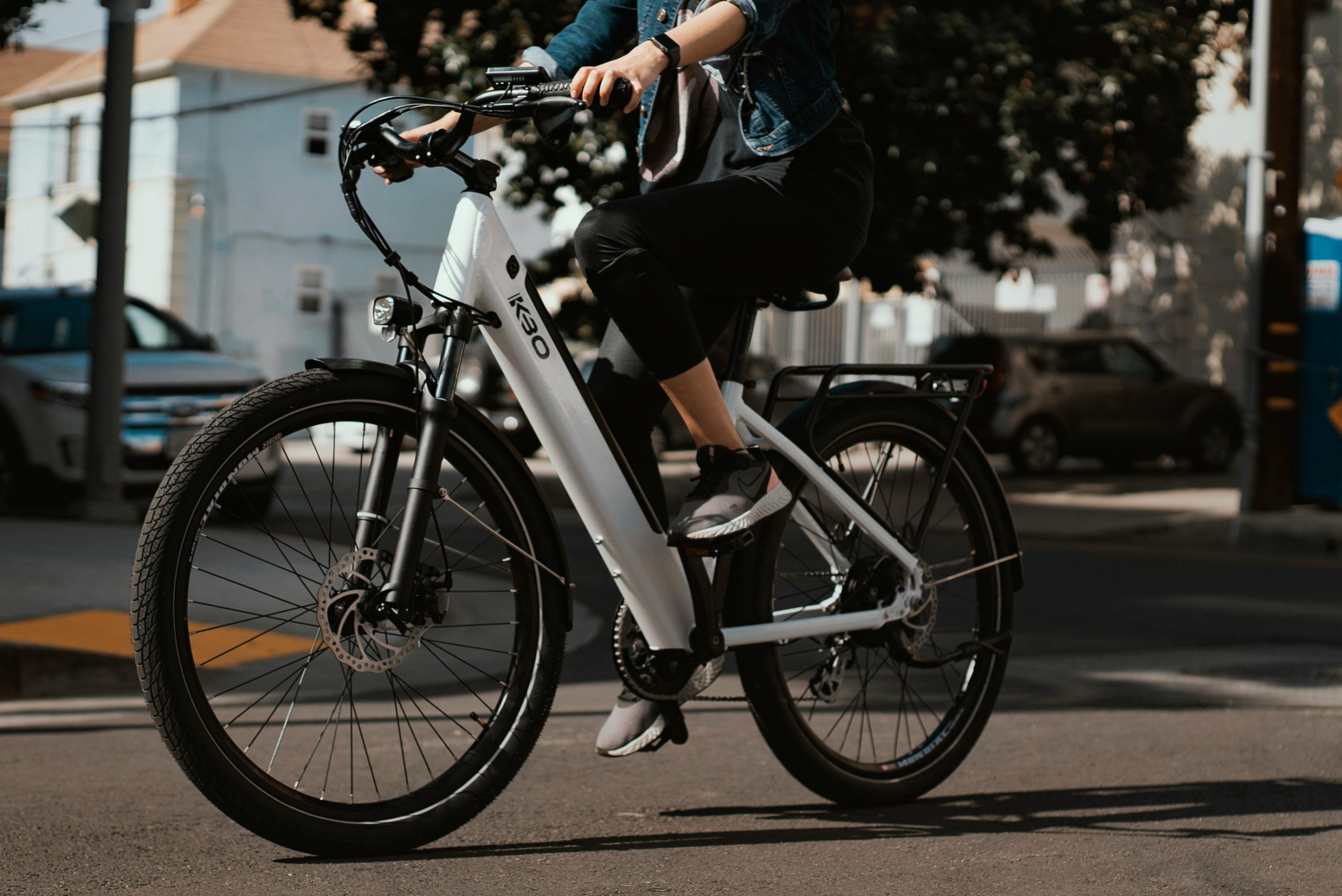
E-bikes with operable pedals and motors of 750 watts or less can continue using streets, sidewalks and multi-use trails.

Iowa law divides e-bikes into three categories based on how their motors assist riders. Class I models provide pedal assistance up to 20 mph. The Class II category includes e-bikes that can move without pedaling, though motor assistance ends at 20 mph. Class III models provide pedal assistance up to 28 mph.
Class III riders must be at least 16 years old. E-bike riders do not need a license, registration or insurance. However, they must use a white front light and a red rear light or reflector between sunset and sunrise.

Waukee advises riders to stay at or below 20 mph on trails and sidewalks. Riders should slow down in crowded areas and yield to pedestrians.
Electric scooters have limited street access
Electric scooters can use sidewalks and multi-use trails if they have handlebars, no operable pedals, weigh less than 100 pounds and cannot exceed 20 mph.

A rider may use a scooter on a street only when no sidewalk or trail is available. The street must also have a posted speed limit of 25 mph or less.
Scooters cannot travel on streets with speed limits above 25 mph. Riders must use lights at night and during low-visibility conditions.
High-speed e-motos need a license, registration and insurance
Devices without operable pedals, with motors above 750 watts and top speeds of 39 mph or less, fall under Waukee’s high-speed pedestrian conveyance rules. Retailers often market these devices as e-motos. Under local rules, they operate as motorized bicycles or mopeds.
Waukee does not allow them on sidewalks, trails, parks, green spaces, playgrounds or sports courts.
To use one on a public street, the device must qualify for registration with the Iowa Department of Transportation. The rider needs a valid moped permit or license. The device must also be registered and insured.
Iowa requires riders to be at least 14 years old to operate a moped or qualifying e-moto. Devices capable of traveling faster than 39 mph count as motorcycles. They require a motorcycle permit or license, registration and insurance.
If the state cannot register a device, its rider cannot legally use it on Waukee public streets.
Violations can lead to fines or traffic citations
Police and city staff will first focus on helping riders and parents understand the rules. A violation of the local ordinance can bring a $25 fine, plus applicable surcharges and costs.
Traffic violations may result in separate citations. This includes operating a device without a required license or permit. Iowa law can also penalize an adult who allows someone to operate a motorized device without the required license or insurance.
All riders must obey traffic signs and signals. They should not carry more passengers than their device was designed to hold. Riders must also keep sidewalks, driveways, curb ramps and fire hydrants clear.
Related: I-74 Bridge bike and pedestrian path connects Iowa and Illinois
Families can review classifications and local riding requirements in the City of Waukee’s Ride Safe guide before buying or using an electric device.
Stay informed with stories that matter. Visit HolaAmericaNews.com for the latest news, culture and community updates.
Facebook Comments