




By Isabelle Foland, Des Moines Register
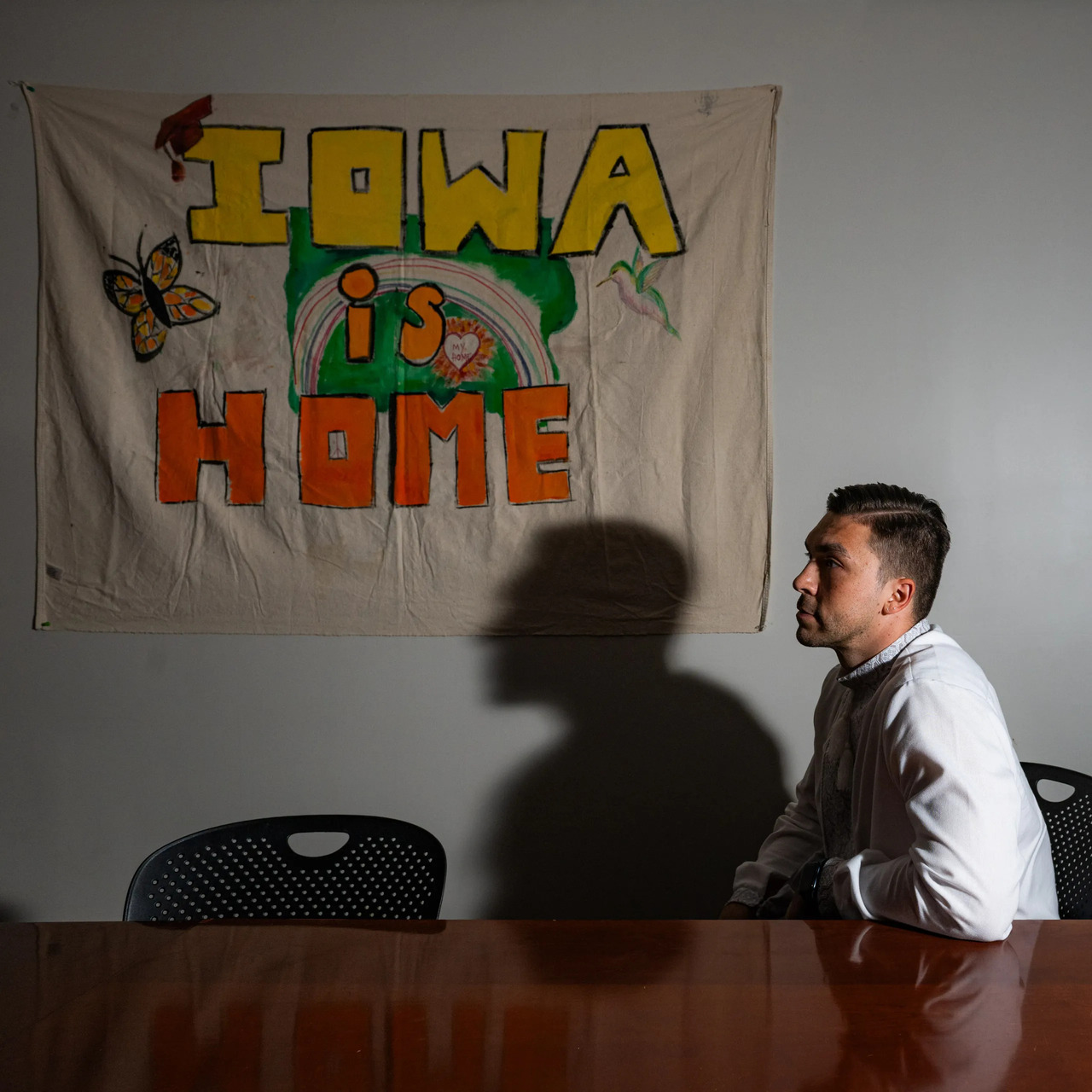
Like many others who live far from home, Illia Yamchuk keeps up with his family through pictures and videos sent by loved ones.

Yamchuk has watched his nieces and nephews celebrate their birthdays in bomb shelters, blowing out their candles amid the sounds of sirens and conflict.
The 32-year-old has been living in Iowa since fleeing his home in Ukraine in 2022, shortly after Russia invaded the country. Civilian deaths in Ukraine reached their highest level since March 2022 in July, totaling at least 437 deaths and over 2,000 injuries, according to an Aug. 13 report from the United Nations.
The situation back home is a nightmare, Yamchuk said, with no end in sight.
Many Ukrainians have managed to escape their war-torn country by coming to the United States and getting Temporary Protected Status, which allows them to legally live and work in the United States due to unsafe conditions back home. More than 100,000 Ukrainians had that TPS permission as of March 2025, according to the most recent data from the Congressional Research Service.

TPS deadlines leave Iowans with uncertain futures
For those Ukrainians and thousands of others, TPS permission to be in the U.S. will soon expire. The designation for Ukrainians is due to end on Oct. 19, leaving many unsure where they will go or what to do to avoid the war.
TPS designations for three other countries — El Salvador, Sudan and Lebanon — will also expire soon.
El Salvador’s status is set to expire on Sept. 9, Sudan’s will expire on Oct. 19 and Lebanon’s on Nov. 27. The status has recently run out for several other countries, such as Haiti, leaving thousands at risk of deportation or electronic monitoring.
Those with recently terminated or imminently ending TPS told the Register conditions in their home countries are still unsafe. Widespread arrests without due process and government corruption plague El Salvador, according to human rights groups, civil war and famine rage on in Sudan, and the U.S. Department of State does not recommend travel to Haiti due to risk of “crime, terrorism, kidnapping, unrest, and limited health care.”

Typically, the U.S. government reviews the conditions of a country with TPS and determines whether to extend the status and for how long at least 60 days prior to the expiration deadline. Ukraine, El Salvador and Sudan’s deadlines are looming, but the government has not made any official announcements on the status.
If a determination is not made, federal law automatically renews TPS for six months, but advocates and TPS holders are worried. In June, the U.S. Supreme Court ruled that lower courts could not review the government’s decisions on TPS.
Immigrants with temporary permissions to be in U.S. have limited options
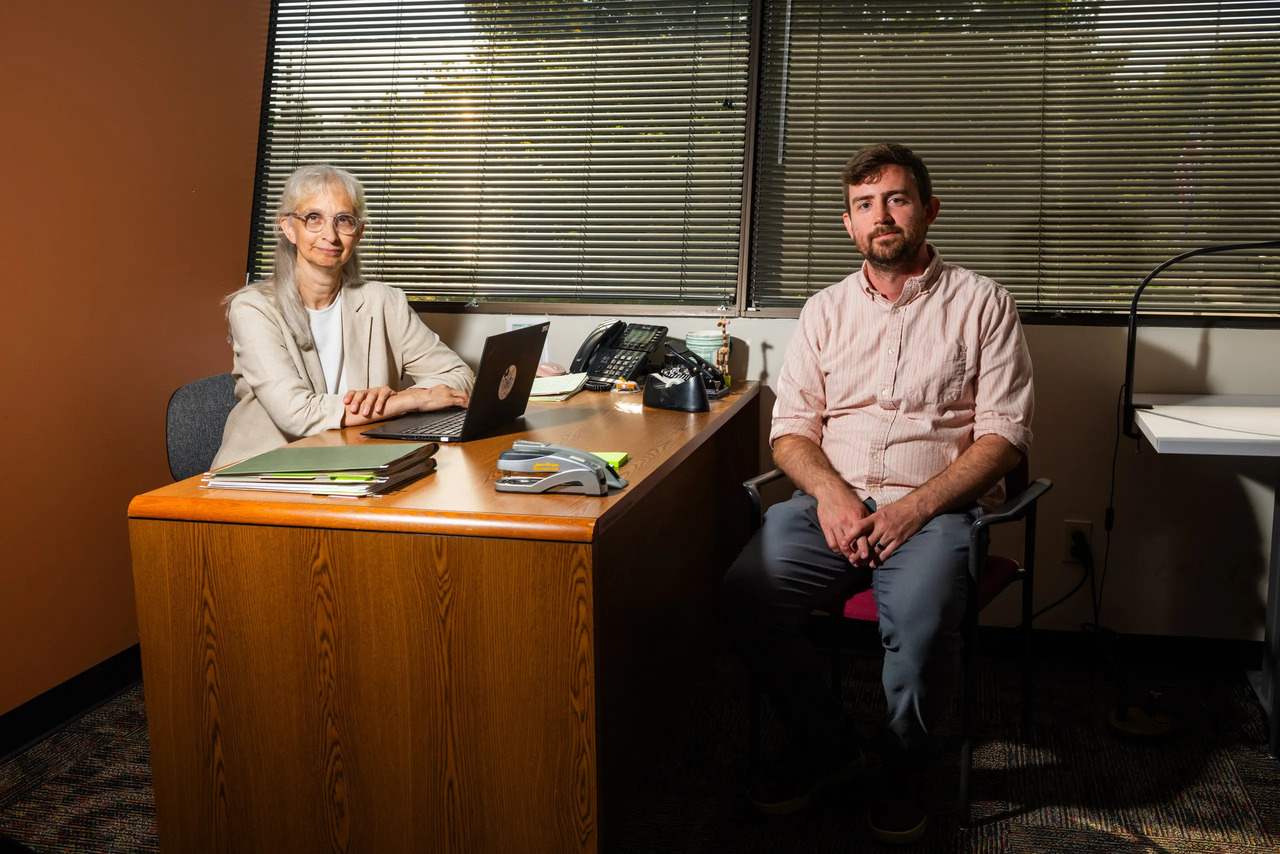
Ann Naffier, an attorney and co-legal director with Iowa Migrant Movement for Justice, said other legal pathways to stay in the U.S. have very specific requirements that many with TPS do not fit. For example, an employment-based visa typically requires advanced education, specific workforce skills and is very expensive, she said.
With deadlines closing in on TPS holders, many have applied for other legal permissions to stay and have not been successful, she said. Policies within the immigration system have swiftly changed, Naffier said, which makes it even harder to plan adequately.
Marcos Lester, a legal assistant at Iowa MMJ, said people with TPS should still consult with a lawyer to discuss their options or, at the very least, create a plan in case they can no longer legally work or live in the United States.
Related: Hola America has also reported on Iowa immigrants facing large-scale immigration court hearings in Omaha, where missing a hearing can carry deportation consequences.
Kaiden J. Yu/The Register
Since its creation in November 1990, around 30 countries or regions have had TPS, some more than once, according to Pew Research. When Trump began his second term in January 2025, immigrants from 17 countries had the status.
Proponents of ending TPS have said the program was meant to be temporary but has allowed some to live in the United States for decades without trying to obtain another lawful status. In a June 27 release about the termination of Haiti’s TPS, a Department of Homeland Security spokesperson said the move “restores integrity in our immigration system and ensures that Temporary Protective Status is actually temporary.”
Many TPS holders have not found another legal pathway because they are not accessible or easy to obtain, especially under the Trump administration, Naffier said.
“People who are here on TPS may have come for all sorts of reasons, but they remain here under TPS because our own government has recognized that their country is unlivable, and yet our country gives no way for them to get permanent status here,” she said. “And to me, that’s a sign that our system is not working the way it should.”
Advocates say ending TPS will tear apart communities
Nearly 1,600 TPS holders live in Iowa, according to an American Immigration Council report. Immigrants make up 7.4% of Iowa’s workforce, the report states.
Iowa businesses have already dealt with losing large groups of employees due to TPS changes. At the Tyson Fresh Meats pork processing plant in Waterloo, more than 40 workers have had to leave their jobs when Haiti’s TPS ended, said Simplice Kuelo, president of the labor union United Food and Commercial Workers Local 431.
This loss affects not just the immigrants, who no longer support themselves or their families financially, Kuelo said, but also the remaining employees who have to quickly pick up the slack.
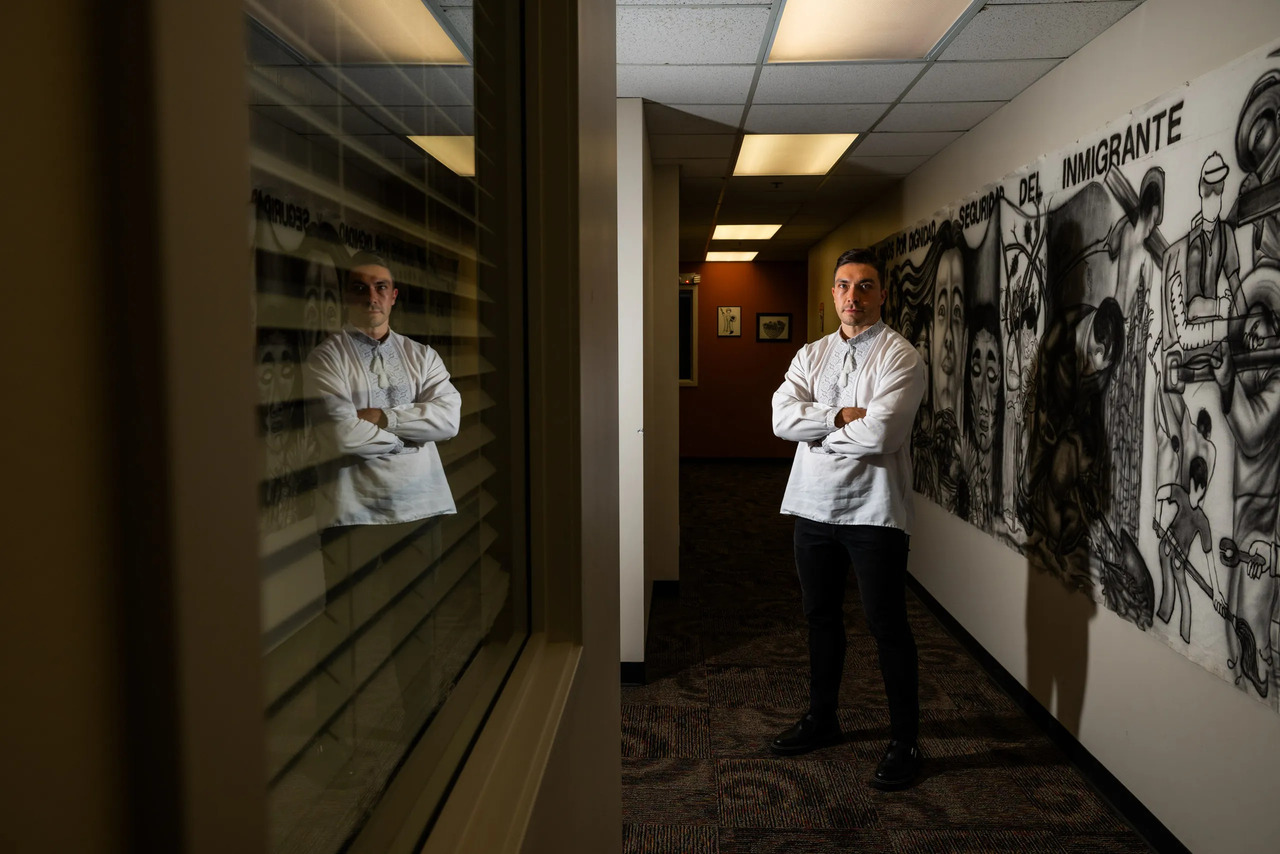
Because many TPS holders have been here for years, they have built lives that will leave holes in the communities they’ve come to call home, advocates and immigrants say. For Yamchuk, who is pursuing a liberal studies degree at the University of Northern Iowa, losing TPS means having to start life over again while still not being safe in Ukraine.
Salvadorans have had TPS since 2001. Many now have children and grandchildren who were born in the United States. At a vigil hosted by Iowa MMJ, the daughter of a Salvadoran TPS holder told attendees that her father sacrificed to build a better life for his future family. They are now facing a potential future where they will be separated.
“When I think about immigrants and TPS holders, I want to remind you that you’re more than a work permit, you’re more than a legal document,” the daughter, her voice breaking with emotion. “You’re parents and siblings and neighbors and friends.”
Yamchuk said in the face of the uncertainty, all TPS holders can do is live in the present and hope for the best. The sentiment was echoed at the Salvadoran vigil, where attendees, many of whom were TPS holders, prayed together for a miracle to keep their families together.
“What I have learned after the war is all you can do is just take one day at a time,” Yamchuk said. “It’s really important to focus on what we have right now because we already don’t have yesterday. We might not have tomorrow, so all we have is today. So just do whatever you can.”
Isabelle Foland is a communities reporter for the Register. Reach her at [email protected].
Stay in the know with stories that matter — visit HolaAmericaNews.com for the latest news, culture, and community updates!
Facebook Comments