


Some Illinois adults can lose SNAP benefits after three full months if they do not meet the federal work requirement or qualify for an exemption.
The rule applies to certain SNAP recipients ages 18 through 64. Illinois began enforcing the time limit Feb. 1, 2026. The first benefit closures took effect May 1 for people who had used three countable months.
How the three-month SNAP limit works
A person subject to the rule must complete an average of 20 hours per week, or 80 hours per month. Paid work, unpaid work, volunteer service and approved training programs can count toward the total.

Adults who do not meet the requirement can receive only three full months of SNAP during the current three-year period. That period runs from Jan. 1, 2024, through Dec. 31, 2026. However, Illinois did not begin counting months until Feb. 1, 2026.
The three months do not have to be consecutive. Illinois also does not count a partial first month of benefits toward the limit.

Who may qualify for an exemption?
Illinois recognizes several exemptions. A person may qualify if they:
- Have a physical or mental condition that limits their ability to work or complete the required hours.
- Are pregnant.
- Experience chronic homelessness.
- Live in a SNAP household with a child age 13 or younger.
- Attend school, college or an approved training program at least half time.
- Have applied for or receive unemployment benefits.
- Participate in a drug or alcohol treatment program.
- Care for someone who needs help caring for themselves.
- Meet the work and training rules for TANF.
- Qualify under another exemption recognized by Illinois.
Residents can review the Illinois SNAP work requirements and exemptions or use the screener available through the Illinois SNAP Federal Impact Center.

Federal changes removed the automatic exemptions previously available to veterans and former foster youth. General homelessness also no longer provides a categorical exemption. However, chronic homelessness remains a qualifying circumstance.
A person does not need to receive Social Security disability benefits to request a medical exemption. IDHS generally accepts the person’s statement at the time of the request. The agency may ask for proof if the information conflicts with other case records or remains unclear.
How to report work or volunteer hours
Community service can include volunteer work through churches, food banks, immigrant support centers, youth programs and other nonprofit or community organizations.
Participants can document those hours with the Illinois SNAP Activity Report or a signed letter from the organization.
Recipients can report employment, volunteer hours and other changes through ABE Manage My Case or a local Family Community Resource Center.
Anyone whose hours fall below 80 during a month must report the change. Illness, transportation problems or another temporary circumstance may provide a good reason for missing hours. Still, the recipient must notify the Illinois Department of Human Services.
How to regain SNAP eligibility
A recipient can regain eligibility by qualifying for an exemption or meeting the work requirement for 30 consecutive days. The person should report the new circumstances to IDHS and ask the agency to review the case.
Otherwise, someone who has used all three countable months may have to wait until Jan. 1, 2027. A new three-year period begins on that date.
Illinois provides a one-time $400 FRESH payment
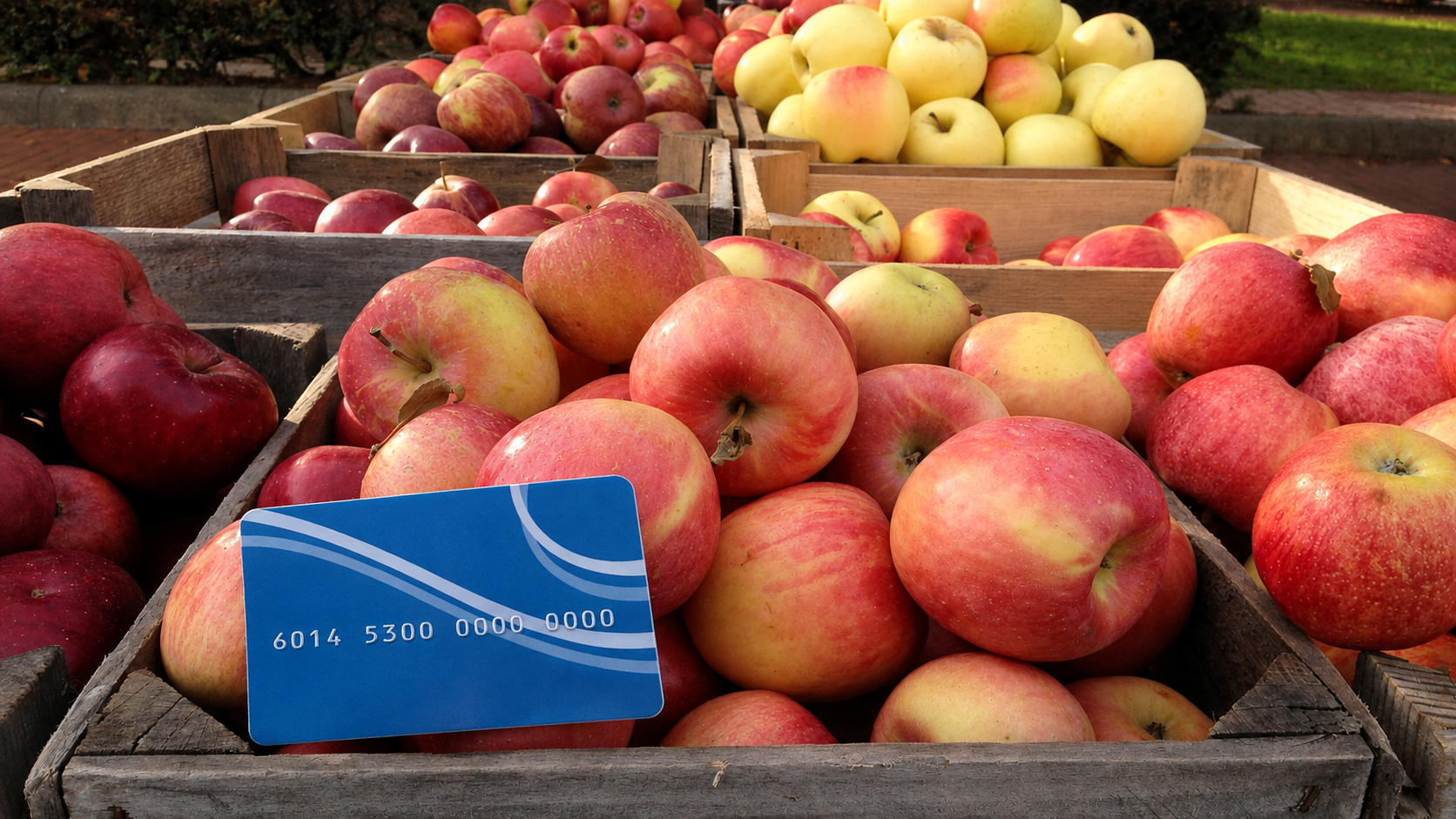
Illinois also offers a one-time FRESH payment to some residents who lost SNAP because of the work rule. Eligible households automatically receive $400 on their Illinois Link card for each qualifying household member. No application is required.
The FRESH payment does not restore monthly SNAP benefits. Each eligible person can receive the payment only once.
Related: Illinois sends $400 per eligible person who lost SNAP under work rules
How to appeal a SNAP benefit closure
Recipients can appeal if they believe IDHS closed or reduced their benefits incorrectly.
To keep receiving benefits during the appeal, the recipient must act on or before the “Date of Change” shown in the notice. If the final ruling supports the closure, the person may have to repay the benefits that IDHS continued during the appeal.
People can file an appeal through the Illinois ABE Appeals portal or by calling 1-800-435-0774. They may also email [email protected] or fax the request to 312-793-3387.
Another option is to mail the appeal to DHS Bureau of Hearings, 69 W. Washington St., Suite 901, Chicago, IL 60602. Recipients may also submit it through a local IDHS office.
For an appeal involving only SNAP, Illinois must issue and carry out its final administrative decision within 60 days. That deadline may change if the recipient requests or agrees to a delay.
Find current forms, the eligibility screener and reporting resources through the Illinois SNAP Federal Impact Center.
Stay in the know with stories that matter — visit HolaAmericaNews.com for the latest news, culture and community updates!
Facebook Comments