



Season high number of beaches remain unsafe for swimming, DNR says
By Lucia Cheng, Des Moines Register
Sixteen beaches are not recommended for swimming, the same number as the week of July 31, albeit with some beaches swapped around. That’s still the highest number of beaches with dangerous amounts of E. coli since the 2026 season started.

The Iowa DNR provides weekly updates on which state beaches are experiencing high levels of E. coli or algae that can be dangerous to swimmers. You can check the latest reports on the DNR website or by calling 515-725-3434.
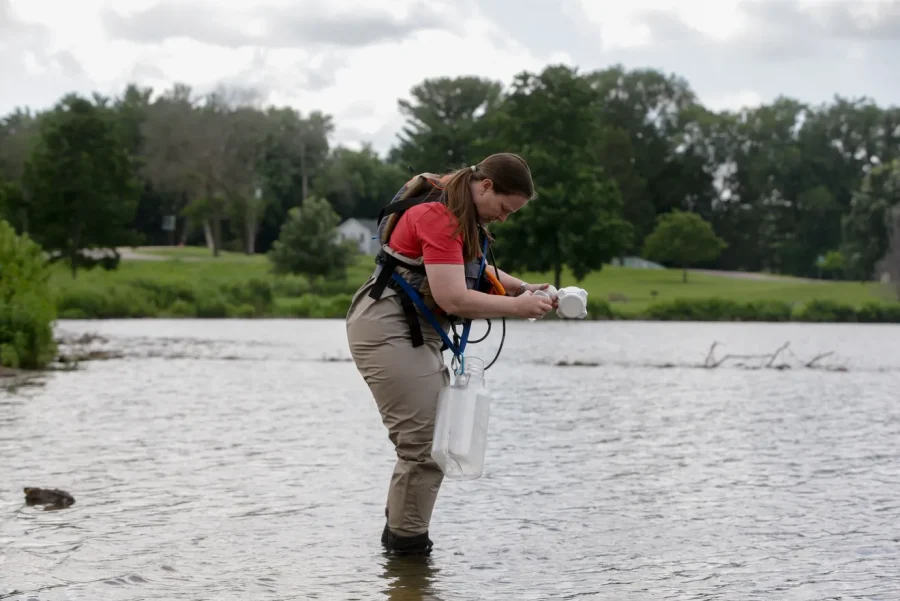
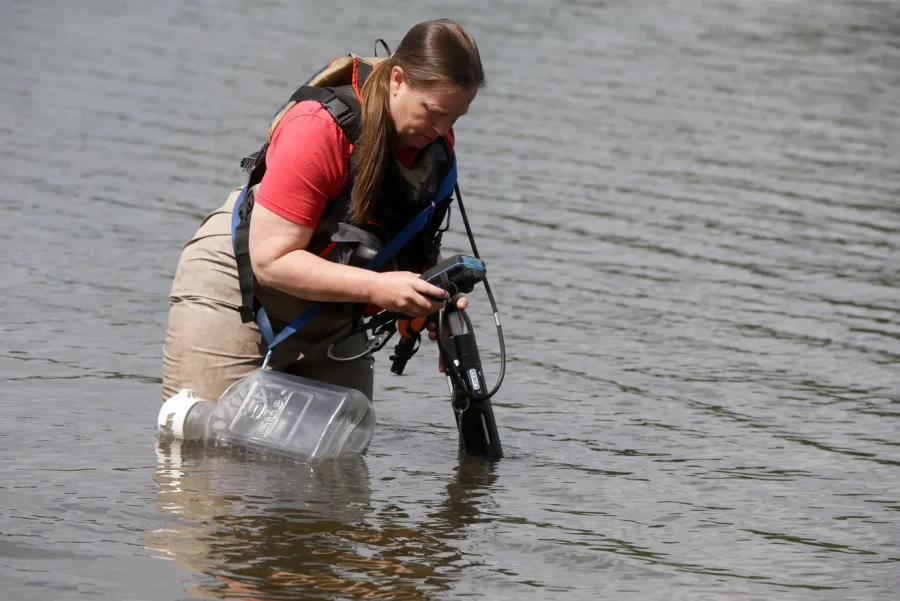
Staff collect weekly samples at 41 state-owned swimming beaches to determine the public’s risk of coming in contact with waterborne diseases. Testing starts a week before Memorial Day and runs through Labor Day.

What Iowa DNR beaches are not recommended for swimming?
Backbone Beach
- Beach classification: Vulnerable
- Last test date: Aug. 5
- Test results: Exceeded single-sample limit and five-sample Geomean standard for E. coli
Beeds Lake Beach
- Beach classification: Vulnerable
- Last test date: Aug. 4
- Test results: Exceeded single-sample limit and five-sample Geomean standard for E. coli
Big Creek Beach
- Beach classification: Less vulnerable
- Last test date: Aug. 4
- Test results: Exceeded five-sample Geomean standard for E. coli
Bobwhite State Park
- Beach classification: Not available
- Last test date: July 29
- Test results: Exceeded single-sample limit for E. coli
Clear Lake State Park Beach
- Beach classification: Less vulnerable
- Last test date: Aug. 4
- Test results: Exceeded single-sample limit and five-sample Geomean standard for E. coli
Denison Beach
- Beach classification: Less vulnerable
- Last test date: Aug. 4
- Test results: Exceeded five-sample Geomean standard for E. coli
Emerson Bay Beach
- Beach classification: Vulnerable
- Last test date: Aug. 5
- Test results: Exceeded five-sample Geomean standard for E. coli
George Wyth Beach
- Beach classification: Vulnerable
- Last test date: Aug. 5
- Test results: Exceeded five-sample Geomean standard for E. coli
Lake Ahquabi Beach
- Beach classification: Less vulnerable
- Last test date: Aug. 5
- Test results: Exceeded five-sample Geomean standard for E. coli
Lake Darling Beach
- Beach classification: Vulnerable
- Last test date: Aug. 4
- Test results: Exceeded single-sample limit and five-sample Geomean standard for E. coli
Lake Manawa Beach
- Beach classification: Vulnerable
- Last test date: Aug. 4
- Test results: Exceeded single-sample limit and five-sample Geomean standard for E. coli
McIntosh Woods Beach
- Beach classification: Vulnerable
- Last test date: Aug. 4
- Test results: Exceeded single-sample limit and five-sample Geomean standard for E. coli
Nine Eagles Beach
- Beach classification: Vulnerable
- Last test date: July 29
- Test results: Exceeded single-sample limit and five-sample Geomean standard for E. coli
Pleasant Creek Beach
- Beach classification: Vulnerable
- Last test date: Aug. 5
- Test results: Exceeded five-sample Geomean standard for E. coli
Prairie Rose Beach
- Beach classification: Vulnerable
- Last test date: Aug. 4
- Test results: Exceeded single-sample limit and five-sample Geomean standard for E. coli
Union Grove Beach
- Beach classification: Vulnerable
- Last test date: Aug. 5
- Test results: Exceeded single-sample limit and five-sample Geomean standard for E. coli
What other beaches are not recommended for swimming?
The Iowa DNR also tracks reports for 39 city or county beaches across the state. This week, seven of the beaches reported E.coli levels above the single-sample limit.

In the Des Moines metro, the Blue Heron Lake in Raccoon River Park in West Des Moines has improved back to safe levels. Gray’s Lake in Des Moines is also OK to swim in.
Which Iowa beaches have improved to ‘OK for swimming’?
Julia Hansen/Iowa City Press-Citizen
Two beaches have improved back onto the list as “OK to swim” since the July 31 results:
- Black Hawk Beach
- Crandalls Beach
Which Iowa beaches have special statuses?
- Blue Lake Beach: While Lewis and Clark State Park has reopened, the beach at Blue Lake Beach remains closed due to low water levels. DNR is not conducting testing while the beach is closed.
- Brushy Creek Beach: Monitoring is currently suspended due to construction.
- Lake Keomah: Monitoring by DNR is currently suspended due to low lake water conditions. The DNR drained the lake in July 2024 for a major renovation and water quality improvement project that was set to last through spring 2026. The DNR warns people to stay out of the lake bed, which might look dry, but is soft and could quickly entrap people.
How does the Iowa DNR classify Iowa’s beaches based on their water quality?
DNR officials classify state park beaches into one of three categories annually based on their history of bacteria results in recent years:
- Vulnerable: Beaches are considered vulnerable when the geometric mean standard is exceeded in three or more of the five most recent sampling seasons.
- Transitional: The beach’s geometric mean standard is exceeded in two or fewer sampling seasons of the five most recent years of monitoring and was listed as “vulnerable” in the past monitoring seasons.
- Less vulnerable: The beach’s geometric mean standard is exceeded in two or fewer sampling seasons of the five most recent years of monitoring and was listed as “transitional” or “less vulnerable” in past monitoring seasons.
Stay in the know with stories that matter — visit HolaAmericaNews.com for the latest news, culture, and community updates!
Facebook Comments