


By Christina Fernández-Morrow
Lisa McGilvra was scrolling through news headlines in late 2024 when she stopped cold. Then President Joe Biden had authorized Ukraine to use powerful long-range American weapons inside Russia. For the military veteran and mother of six, the decision demanded action.

“It raised red flags,” McGilvra said. “What are we doing? What’s our role? How are we participating? What will this escalate to?”
So she did what many Americans think about, but few follow through on: She wrote to her representatives.
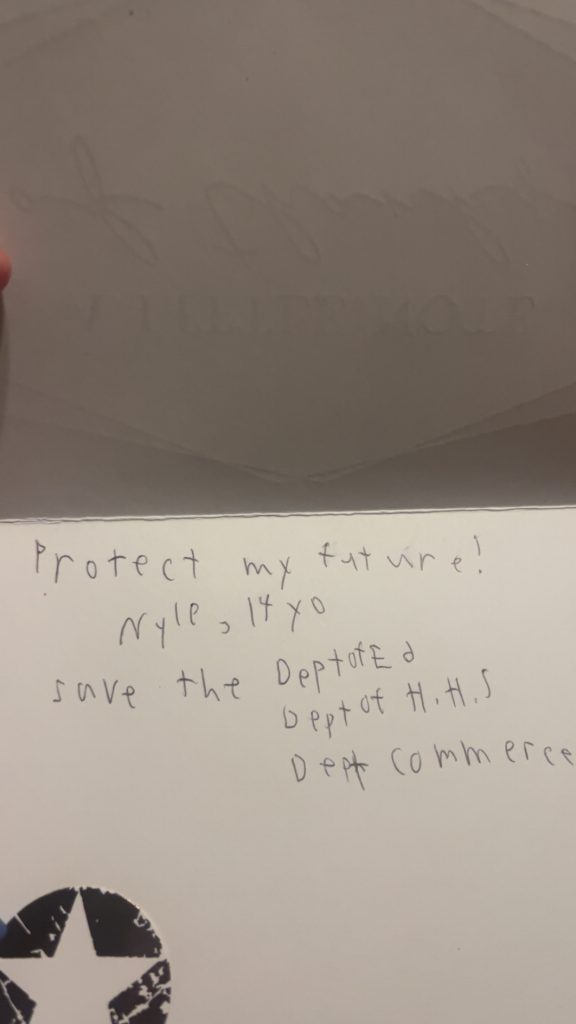
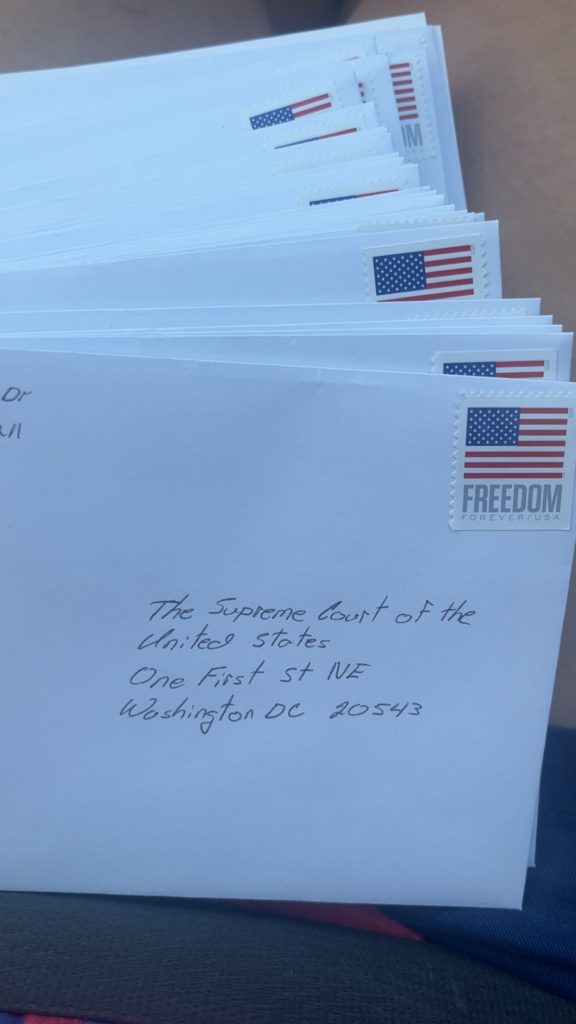
What started as a concerned citizen’s emails has evolved into something larger. McGilvra, a Latina veteran who enlisted at 17 and now lives in Norwalk with her husband, who is also an Iowa National Guard veteran and current police officer, began documenting her correspondence on social media. Her posts include not just her letters but the responses she receives, offering a transparent look at how elected officials engage with their constituents. Others started using her examples as templates for their own advocacy.
The responses were eye-opening.

McGilvra noticed that only Sen. Chuck Grassley’s office consistently sent substantive replies that addressed her specific concerns rather than form letters. She received no responses from Sen. Joni Ernst, a former combat veteran of the U.S. Army Reserve and Iowa Army National Guard, or U.S. Rep. Mariannette Miller-Meeks, who represents Iowa’s 1st Congressional District.
One discovery particularly surprised her: Constituents cannot reach out directly to the Speaker of the House, though the Speaker is chosen by representatives elected by the people. Only residents of the speaker’s district — currently Louisiana — can contact the office directly.
McGilvra spends hours crafting each email and letter, ensuring professional language, a calm tone, and expressions of gratitude for the officials’ service. She’s even helped her children write their own letters to elected officials, encouraging young people in her life to exercise their civic rights.
Her political evolution mirrors that of many veterans. “When actively serving, I used to vote for the party that would give me the best pay raise,” McGilvra said. “I didn’t look at politics or issues beyond that.”
Now, her perspective has broadened beyond personal benefit to community welfare. Her motivation comes from her daily work in customer service, helping people navigate high-stress circumstances.
“They’re too busy in survival mode, trying to figure out their next meal, where to go for medical assistance,” McGilvra said. “They don’t have the time to catch up on the news that impacts them. I do it for everybody else who can’t because their life isn’t as privileged as mine.”
She has no intention of slowing down.
“I don’t anticipate stopping any time soon,” McGilvra said. “I would like to get to a point where I wouldn’t feel it’s so urgent and necessary.”
Her message centers on a fundamental principle of democracy: “We the people hold a lot of power when we vote. Nobody in Washington, D.C., has gotten there without the help and support of the rest of the United States.”
McGilvra believes Americans share common ground beneath political divisions. Everyone seeks moments of joy amid challenging times. Families want to put food on the table, earn a living without sacrificing their health and ensure their children have a future.
Her letters represent a call to action, and her advice is simple: Write an email, make a phone call, send a letter. Speak up for neighbors who may not be in a position to do so themselves.
Set realistic expectations. You might receive a response. It might be a form letter. You might hear nothing at all.
But don’t let silence discourage you. Democracy requires participation, and every voice matters when raised on behalf of those who cannot speak for themselves. Your representatives work for you. Remind them you’re watching, you’re engaged, and you expect them to listen.
Find your elected officials’ contact information at usa.gov/elected-officials. Then write. Your letter might be the one that makes a difference.
Stay in the know with stories that matter — visit HolaAmericaNews.com for the latest news, culture, and community updates!
Facebook Comments