




By Lee Rood, Des Moines Register
More of Iowans’ personal data will be available to the federal government to pore through in the new year after agreements Gov. Kim Reynolds and Attorney General Brenna Bird reached with the U.S. Department of Homeland Security.

One received Reynolds’ approval in October in connection with an order for tightened employment checks resulting from the arrest of former Des Moines schools Superintendent Ian Roberts in an immigration case.
Bird announced the other agreement Dec. 1 after a federal court settlement in a dispute dating from the Biden administration over voter eligibility checks.
Iowa Secretary of State
The agreements were implemented in memoranda of understanding, which the federal DHS has reached with at least 26 states during President Donald Trump’s second term. They make available much more state-level data than was previously accessible by the federal agency.
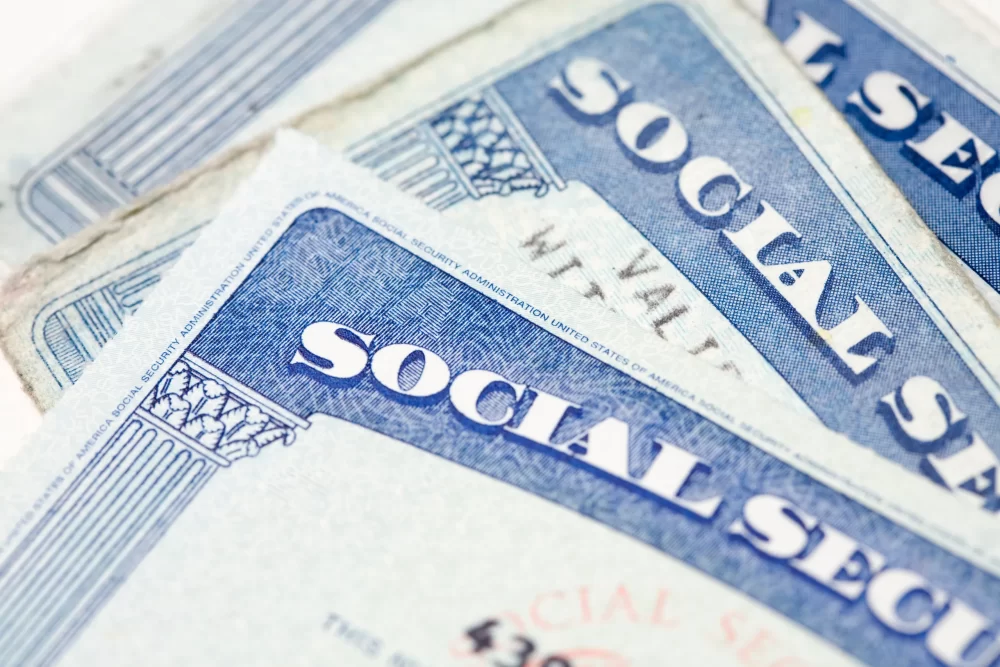
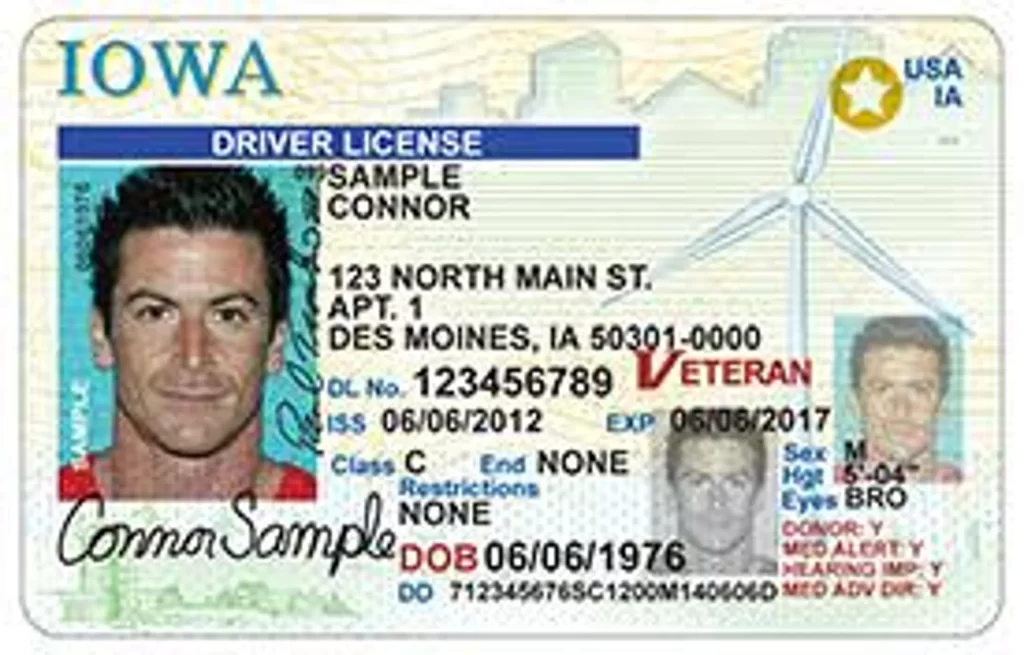
In Iowa, that includes photographs from more than 2.2 million Iowa drivers licenses and Social Security numbers, and the information can be expanded with bulk uploads of additional data.

Across the country, the administration’s expanded use of the data-querying system, called SAVE, or the Systematic Alien Verification for Entitlements, has prompted lawsuits over privacy concerns and allegations of wrongful purges of U.S. citizens from voter rolls.
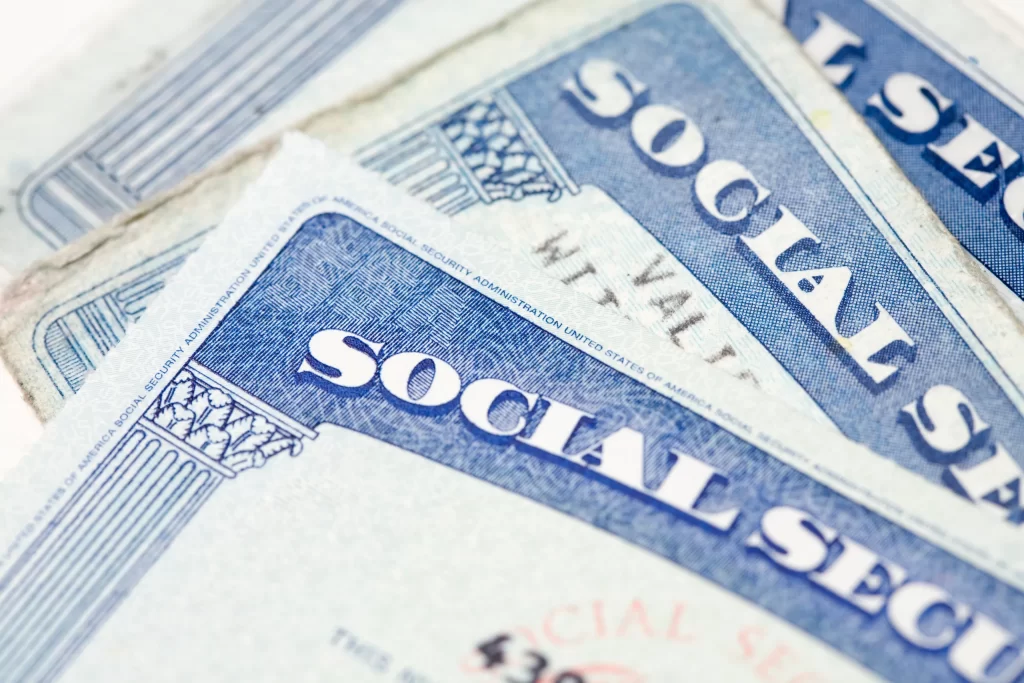
SAVE, developed about 40 years ago to verify citizenship and eligibility for public benefit programs like food stamps, is an online intergovernmental service now being used across the country to screen voter eligibility. It can be queried with as little as a Social Security number.
A spokesperson for U.S. Citizenship and Immigration Services, the arm of DHS that operates SAVE, said federal, state and local agencies are being encouraged to use the program, “reinforcing the principle that America’s elections are reserved exclusively for American citizens.”
Dozens of good governance and civil liberties organizations, however, have expressed concerns that expanded use of SAVE also makes citizens easier to surveil.
Cody Venzke, senior policy counsel for surveillance, privacy and technology at the American Civil Liberties Union in Washington, D.C., said the rapidly expanding data sharing is effectively creating the country’s first centralized database of U.S. citizens.
It’s an unprecedented move the ACLU has called dangerous, lacking statutory authorization and violating the Privacy Act.
In other states such as Texas, expanded use of data in the SAVE program, which is sometimes outdated or inaccurate, has led to controversial dragnets that resulted in targeting legally registered voters and citizens.
Venzke said he expects those kind of abuses to worsen as Iowa and other states join the network.
While the data-sharing agreements are billed as a way to detect voter fraud, Venzke said they are ripe for other kinds of exploitation.
“Once you combine this data together,” he said, it opens up a “Pandora’s box of abuses and surveillance.”“Having them all sit together makes it easy to link financial records, voting files and even political donations,” he said.
The Iowa governor’s office did not respond to a request for a response to the ACLU’s concerns.
It also did not provide a requested copy of the state’s memorandum of understanding with DHS related to Iowa’s agreement to participate in SAVE.
Iowa moves forward with SAVE despite lawsuits
The League of Women Voters and other groups have sued over alleged misuse of data by the federal government and lack of transparency, challenging the ongoing data consolidation and what it says is the Trump administration’s unlawful expansion of SAVE.
The ongoing case, filed against DHS in October, alleges that the system combines and repurposes millions of Americans’ data in ways that were never intended and creates cybersecurity risks.
In response to that lawsuit, DHS published what’s called a System of Records Notice for the expanded SAVE system, triggering a public comment period required under the Privacy Act of 1974.
The agency received more than 9,300 comments before the Dec. 1 deadline. The vast majority opposed the expansion of the SAVE system, according to Citizens for Responsibility and Ethics in Washington, an advocacy group.
Some organizations have said limited data sharing can be beneficial, but citizens should have the right to consent to the use of their information.
The Privacy Act aimed to balance the government’s need for information with individuals’ right to privacy, establishing “fair information practices” for collecting, maintaining, using, and sharing personal data.
Commenters such as Maya Bernstein, a former privacy adviser for the U.S. Department of Health and Human Services who was laid off amid Trump cuts eight months ago, said the administration’s move has been in direct opposition to Congress’ intent.
The Privacy Act exists, she wrote, “so that it would be legally impossible for the federal government in the future to put together anything resembling a ‘1984’ personal dossier on a citizen,” referring to George Orwell’s dystopian novel were government censorship and surveillance controls people’s lives.
Ian Roberts case helps launch Iowa’s data-sharing expansion
The Roberts case played a role in the step up of Iowa and federal cooperation on data.
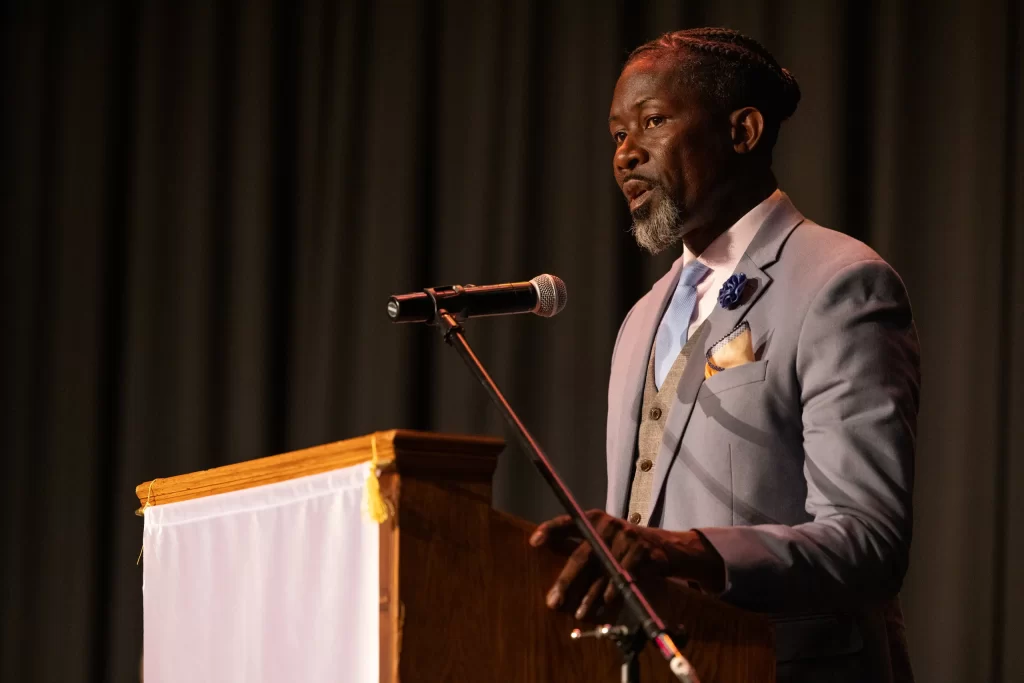
U.S. Immigration and Customs Enforcement agents arrested Roberts, a native of Guyana, in September after a Texas immigration judge’s previously unreported order for his removal and deportation in May 2024.
Jon Lemons/Des Moines Public Schools
That was a year after the Des Moines School Board hired him following an employment check that failed to detect not only that he was not a citizen but that he also did not hold current authorization to work in the United States.
He was later indicted on two federal charges: making false statements for employment and possessing firearms as an illegal alien.
Once an inspirational figure leading Iowa’s largest school district, Roberts quickly became a lightning rod of controversy centering on U.S. immigration policy and ICE’s arrests across the country.
An executive order Reynolds signed Oct. 8, 10 days after Roberts’ arrest, required all state government departments to verify employment eligibility before hiring state employees, and to check for immigration status or U.S. citizenship before granting state-issued occupational and professional licenses.
The order said Iowa would use two systems to do so: the federal E-Verify program, which some agencies already used to confirm work eligibility, and SAVE.
Getty Images
Both E-Verify and SAVE, created in 1986, are administered by U.S. Citizenship and Immigration Services.
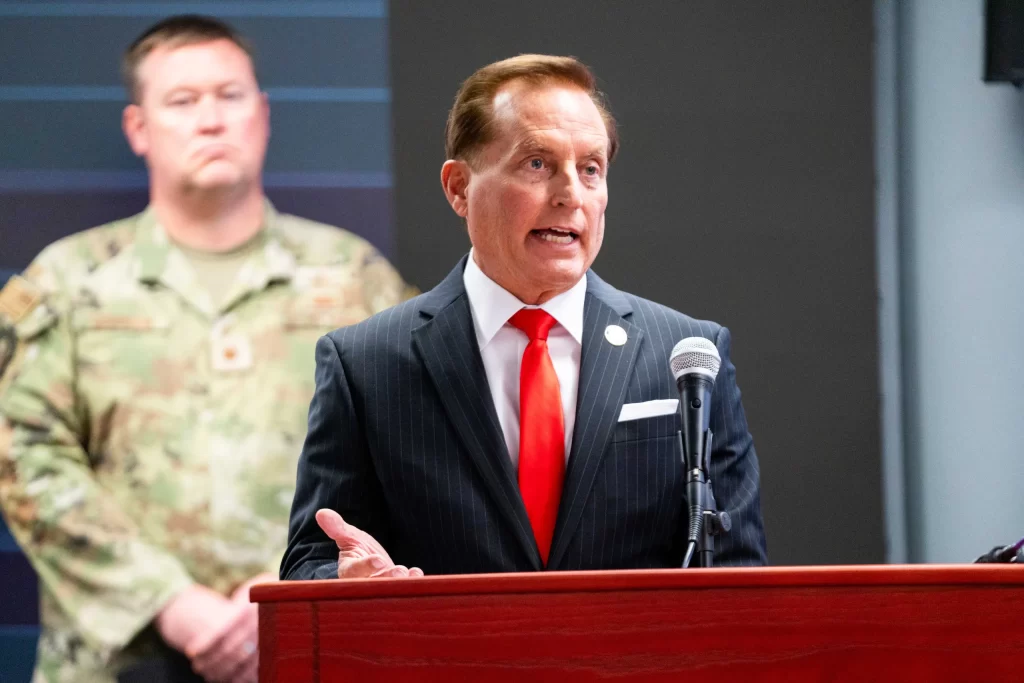
A lawsuit Iowa Secretary of State Paul Pate filed two weeks before the Nov. 5, 2024, election also helped drive the state’s expanded SAVE agreement. Pate issued guidance to county auditors before the election to challenge the ballots of 2,176 registered voters who his office identified as potential noncitizens.
Pate said his office gained access to the SAVE database and found 277 of the 2,176 people flagged to have their 2024 ballots challenged were confirmed to not have U.S. citizenship — just under 12% of those identified as potential noncitizens.
Cody Scanlan/The Register
Voting or registering to vote as a noncitizen in U.S. elections is a felony in Iowa, punishable by up to five years in prison and fines of $750 to $7,500. But USCIS, under then-President Joe Biden’s administration, denied the state permission to verify voter citizenship status through the SAVE database.
Bird and Pate filed a lawsuit in December 2024, shortly after the election, against USCIS for withholding information about people registered to vote who were flagged as potentially not having U.S. citizenship.
Bird announced early in December that Iowa, along with Florida, Ohio and Indiana, had reached an agreement allowing state officials to access the SAVE database to verify voter citizenship for the next 20 years.
The settlement requires the DHS to continue to give the state access to the retooled SAVE program.
In return, the states agreed to give Homeland Security access to the National Law Enforcement Telecommunications System, or NLets, a computer network that allows law enforcement agencies to search driver’s license records across state lines.
Pate’s office said Iowa will provide more information to the federal system via bulk upload, “which allows election officials to upload batch data, including Social Security numbers, to verify SAVE information against voter registration lists.”
According to the court settlement, the state was supposed to gain access to SAVE within 90 days of the Dec. 1 agreement ― in time for 2026 primary and general elections.
On Dec. 11, the Register requested a copy of the memorandum of understanding that permits Iowa to use both E-Verify and SAVE. Heather Nahas, communications director for Reynolds, said in a Dec. 22 email that the memorandum detailing the state’s SAVE agreement was still being finalized.
“SAVE is expected to be implemented and operational in January,” she wrote.
Stay in the know with stories that matter — visit HolaAmericaNews.com for the latest news, culture, and community updates!
Facebook Comments