




By Hola Iowa
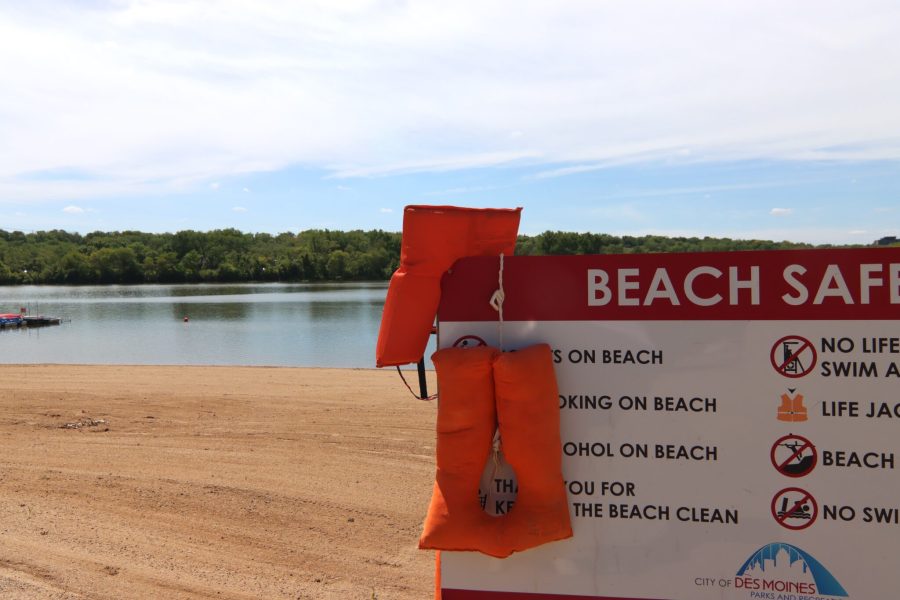
Since Memorial Day, 20 Iowa state beaches have had at least one “swimming not recommended” warning because of elevated E. coli bacteria or algae-related toxins.
Several Iowa lake beaches have had water-quality warnings this summer because of E. coli bacteria or algae-related toxins. Although Iowa does not have an ocean coast, state park lake beaches draw visitors across the state during the warm-weather months.

Since Memorial Day, 20 of the 41 state beaches monitored by the Iowa Department of Natural Resources have had at least one “swimming not recommended” warning.
Active warnings can change as new samples are collected and results are published. Current beach status is available through the Iowa DNR beach monitoring dashboard and by phone at 515-725-3434.

Warnings are tied to E. coli or algae toxins
Water-quality testing at Iowa beaches checks for indicator bacteria and algae toxins that can pose health risks.

E. coli is used as an indicator of fecal contamination. Its presence can signal that the water may also contain other microorganisms capable of causing illness, especially if someone swallows water while swimming.
Iowa also tracks microcystins, toxins produced by certain types of cyanobacteria, or blue-green algae. These toxins can appear during algal blooms and affect water quality.
A “swimming not recommended” warning does not always mean a beach is closed. It means water-quality results exceeded state standards and swimming may carry a higher risk of illness.
Rain can raise bacteria levels in lakes
Bacteria levels can rise after heavy rain. Runoff can carry contamination into lakes, beaches and swimming areas.

That contamination can come from septic systems, wastewater treatment plants, manure spills, pet or wildlife waste, waterfowl, livestock or young children in the water.
The warnings are especially relevant for children, older adults and people with weakened immune systems. They also apply when someone plans to fully submerge or when there is a risk of swallowing water.
ALSO READ: Des Moines tiny home village to replace historic Chesterfield School
Current beach status is updated on Fridays
Current Iowa beach results are available through the Iowa DNR beach monitoring dashboard. The information line is 515-725-3434.
The dashboard and phone line are updated on Fridays during the summer monitoring season. A beach with a warning may change status after new testing.
Iowa also publishes information on beaches managed by cities, counties and U.S. Army Corps of Engineers reservoirs, including Saylorville Lake, Lake Red Rock, Coralville Lake and Rathbun Lake.
Swimming hours at state parks run from sunrise to sunset
At Iowa state parks, swimming is allowed between sunrise and sunset. Beach use and swimming are prohibited between sunset and sunrise.
Swimming must take place within the designated area marked by ropes, buoys or signs. State rules allow swimming outside that area only under specific conditions.
The most recent results for Iowa beaches are available through the Iowa DNR dashboard and by phone at 515-725-3434, with updates on Fridays during the summer season.
Updated July 10, 2026: Iowa beach advisories continue to change during the summer monitoring season. Current beach status is available through the Iowa DNR beach monitoring dashboard and by phone at 515-725-3434.
Stay up to date on the stories that matter: visit HolaAmericaNews.com for the latest news, culture and community updates.
Facebook Comments