



By Hola Iowa
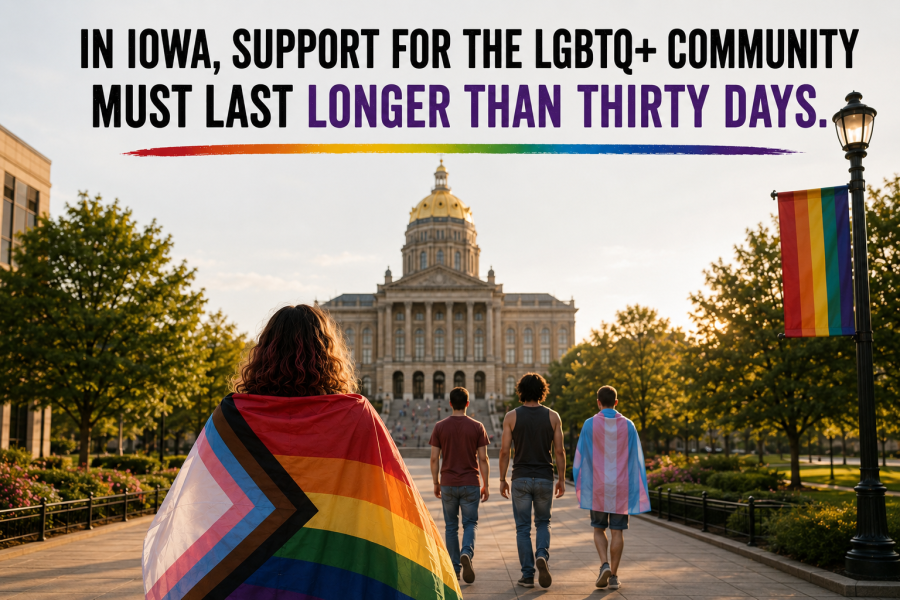
Every year, during LGBTQ+ Pride Month, companies, institutions, local governments and businesses fill their public messages with color. They hang flags, change logos, post statements and help make Pride one of the most visible public expressions of the year.
That visibility matters. For people who were pushed into silence for a long time, being seen is not a small thing.
But Pride did not begin as a branding opportunity. LGBTQ+ people organized because they had been excluded, targeted, denied basic rights and told to stay out of public view.
In 1969, after police raided the Stonewall Inn in New York City, LGBTQ+ people pushed back in public after years of persecution and abuse. In the months that followed, organizers and activists helped turn that resistance into a broader movement. By 1970, people were marching in the streets with a clear demand: dignity, civil rights and public life without persecution.
Those marches were not designed to make any company look good. People marched for freedom and protection.

Iowa has its own place in that history. In 1977, Iowa City passed the state’s first anti-discrimination ordinance that included protections for gay and lesbian people under the term used in official documents at the time: “sexual preference.” At the local level, the ordinance treated discrimination based on sexual orientation as a civil rights issue.
In 2009, the Iowa Supreme Court legalized same-sex marriage by ruling that limiting marriage to heterosexual couples was unconstitutional. Iowa became one of the states that helped set a national precedent for LGBTQ+ rights.
Then came 2025.
Iowa removed the term “gender identity” from its Civil Rights Act. That decision left transgender and nonbinary people without state-level protection against discrimination in employment, housing, education and public accommodations.
So when institutions take part in Pride visibility now, there is a harder truth underneath it. Some LGBTQ+ Iowans enter this month with fewer legal protections than before. A logo change does not fix that.
No brand can replace a state civil rights protection on its own. But companies, institutions and businesses still make choices. They decide how they treat employees, customers, students and communities. They decide what internal policies they keep, which organizations they support and whether they continue to show up when there is no visible campaign attached to it.
Anyone who uses the colors of Pride has a responsibility after 30 days. If the support disappears when the month ends, it was not a commitment. It was self-promoting.
Stay in the know with stories that matter — visit HolaAmericaNews.com for the latest news, culture, and community updates!
Facebook Comments