

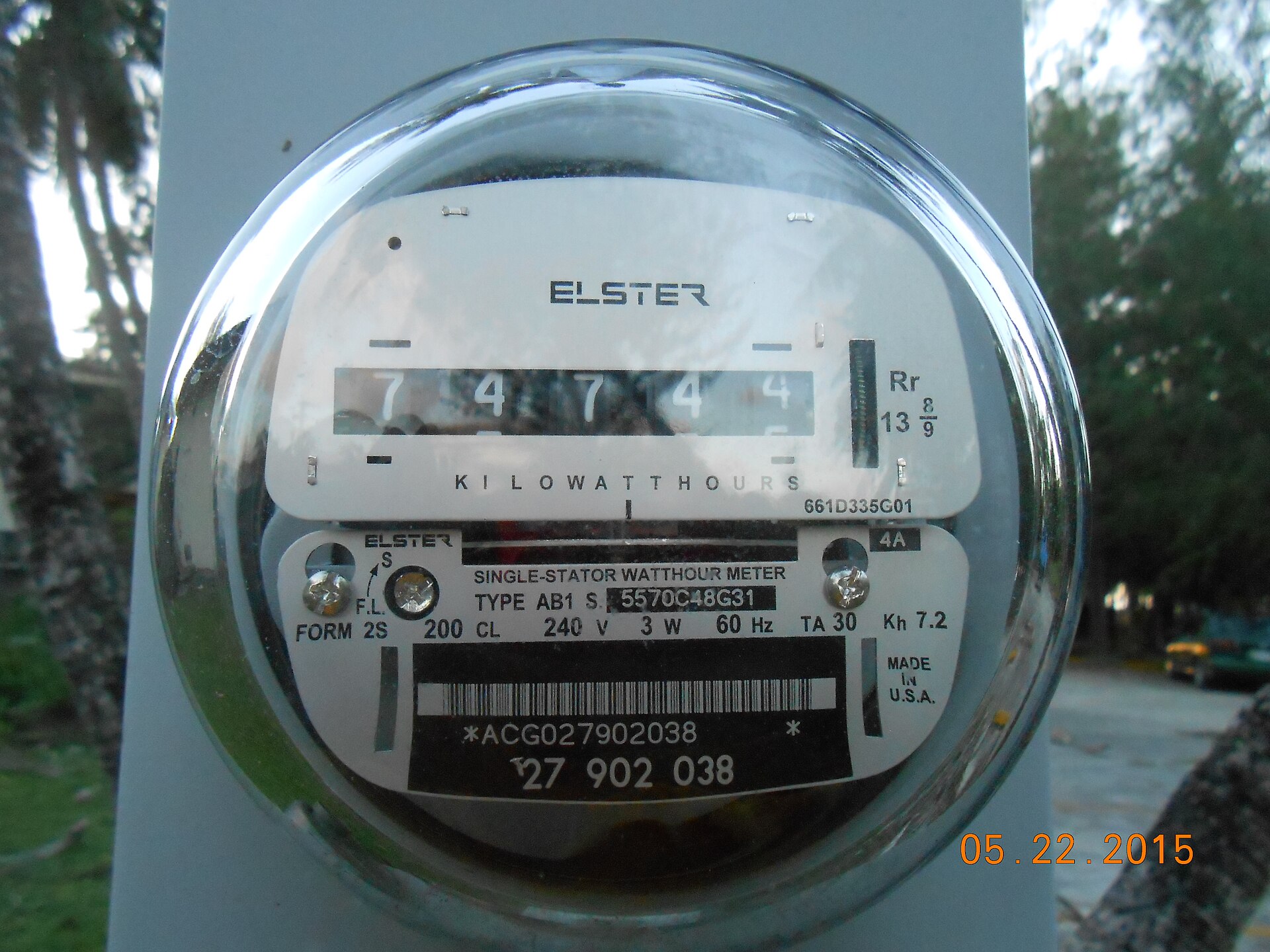



Illinois offers help paying heating, gas and electric bills through LIHEAP. Applications are already open for priority households, and other qualifying households can apply Nov. 1. Income limits depend on the utility provider.
By Hola America News
Updated Oct. 15, 2026.

ILLINOIS — Illinois’ Low Income Home Energy Assistance Program (LIHEAP) is accepting applications for the 2026–27 heating season. The program helps qualifying households pay part of their natural gas, propane and electricity costs. Applications opened Oct. 1 for priority groups, and other income-eligible households can apply beginning Nov. 1, 2026.
LIHEAP typically provides a one-time payment toward home energy expenses, rather than covering an entire season’s bills. The amount depends on household income, energy costs and other program rules. Both homeowners and renters may qualify, including renters whose heating costs are included in their rent.
The application period is scheduled to continue through Aug. 13, 2027, but may close earlier if funding runs out.
Illinois generally reviews gross household income from the 30 days before an application. For customers of five major utilities, a household of four may meet the income requirement with up to $8,250 in gross income over those 30 days. Different limits apply to households served by certain other energy providers.


More Illinois households can apply for LIHEAP starting Nov. 1
The early application period began Oct. 1, 2026, for income-eligible households in four priority groups:
- Older adults: households with someone age 60 or older.
- People with disabilities: households with at least one member who has a disability.
- Young children: households with a child age 5 or younger.
- Energy emergencies: households with disconnected service, a shutoff scheduled within seven days, or less than 25% of propane remaining in their tank.
All other households that meet the program’s income and eligibility requirements can begin applying Nov. 1.
Households already without heat-related gas or electricity, or facing a scheduled shutoff, can contact their local LIHEAP agency directly instead of waiting for an online service request to be processed.
Illinois LIHEAP income limits are based on the previous 30 days
Illinois uses gross household income, before taxes and other deductions, received during the 30 days before applying to determine income eligibility.

For the 2026–27 season, the following limits apply to customers of Ameren Illinois, ComEd, Nicor Gas, North Shore Gas and Peoples Gas. They are based on 300% of the 2026 federal poverty guidelines.
| Household size | Maximum gross income for 30 days |
|---|---|
| 1 person | $3,990 |
| 2 people | $5,410 |
| 3 people | $6,830 |
| 4 people | $8,250 |
| 5 people | $9,670 |
| 6 people | $11,090 |
| 7 people | $12,510 |
| 8 people | $13,930 |
These limits do not apply to every Illinois household. Some federally funded utilities and energy vendors use an income standard based on 60% of Illinois’ State Median Income instead.
The local agency handling the LIHEAP application determines which standard applies based on the household’s energy provider and circumstances.
The Illinois LIHEAP income and application requirements identify the five utilities covered by the income table and explain the separate standard for other providers.
Help Illinois Families starts the LIHEAP application process online
The Help Illinois Families portal accepts an online Request for Services once the household’s application period begins.
That form is not the full LIHEAP application. It sends the household’s contact information to the local agency responsible for processing requests. Agency staff then follow up by phone or email to review eligibility, collect documents and complete the application.
Submitting a Request for Services does not guarantee approval or reserve funding.
Applications can also begin directly through the agency serving the household’s county, without first submitting the online form.
If the local agency has not responded within three weeks of an online request, Illinois advises contacting the agency directly.
The Help Illinois Families Call Center offers assistance at 1-833-711-0374. Language assistance is available in Spanish and other languages.
Applicants need proof of income and recent energy bills
Local agencies review household income and documents showing responsibility for heating and other home energy costs. Depending on the household’s situation, required records may include:
- Proof of income: pay stubs, benefit statements, checks or other records of income received during the previous 30 days.
- Utility bills: a heating or electric bill issued within the past 30 days when the household pays the provider directly.
- Social Security or tax identification records: a Social Security card or Individual Taxpayer Identification Number (ITIN), if available. People without either number may still apply, and the local agency will explain the documentation process.
- Rental agreement: a lease showing that heating is included in rent, the monthly rental amount and the landlord’s contact information when there is no separate heating bill.
- Other benefit records: proof of TANF, SNAP or medical assistance, when applicable.
Renters whose heating costs are included in their rent may still qualify for LIHEAP. A rental agreement can establish that home energy expenses are part of the monthly rent.
Traditional LIHEAP assistance generally takes the form of a one-time payment to the utility company or heating fuel vendor. Renters without separate utility bills may qualify for a cash assistance benefit under the applicable rules.
Project NOW handles LIHEAP applications in Rock Island, Henry and Mercer counties
On the Illinois side of the Quad Cities, Project NOW administers LIHEAP for Rock Island, Henry and Mercer counties.
Project NOW, Inc.
1830 Second Avenue
Rock Island, IL 61201
Phone: 309-793-6391
Hours: Monday through Friday, 8 a.m. to 5 p.m.
Project NOW’s energy assistance program serves qualifying households across the three counties.
For other parts of Illinois, the state directory of Community Action Agencies identifies the organization handling LIHEAP applications in each county.
LIHEAP crisis assistance covers certain utility shutoffs and heating emergencies
Illinois also provides assistance for some heating-related emergencies, depending on eligibility and available funding.
Qualifying situations can include a disconnected heating service, a scheduled shutoff within seven days or a propane supply that has fallen below 25% of the tank’s capacity.
Under the state’s crisis assistance rules, eligible households may receive assistance within 48 hours after submitting a complete application and all required documents. A shorter 18-hour standard applies to certain life-threatening emergencies.
Those time frames begin when the application is complete, not when the initial Request for Services is submitted online.
The Illinois LIHEAP assistance rules distinguish regular heating assistance from crisis assistance and explain how payments are handled.
LIHEAP and monthly utility bill discounts are separate programs
LIHEAP is different from the monthly Low-Income Discount programs offered by participating Illinois natural gas and electric utilities.
Traditional LIHEAP generally provides a one-time payment toward home energy costs. The utility discount programs reduce qualifying customers’ monthly bills. Depending on the provider and income requirements, some households may qualify for both.
Illinois LIHEAP applications close Aug. 13, 2027, unless funding runs out sooner
The 2026–27 LIHEAP application period is scheduled to end Aug. 13, 2027. Applications may close earlier if available funds are exhausted.
After applying, households that receive a seven-digit Application ID beginning with 8 can check their application status through the state’s system or contact the Help Illinois Families Call Center at 1-833-711-0374.
For households outside the October priority groups, the next date to apply for help with heating and energy bills is Nov. 1, 2026.
Related: Illinois utility discounts up to 84% continue as LIHEAP applications open
Stay in the know with stories that matter — visit HolaAmericaNews.com for the latest news, culture and community updates!
Facebook Comments