
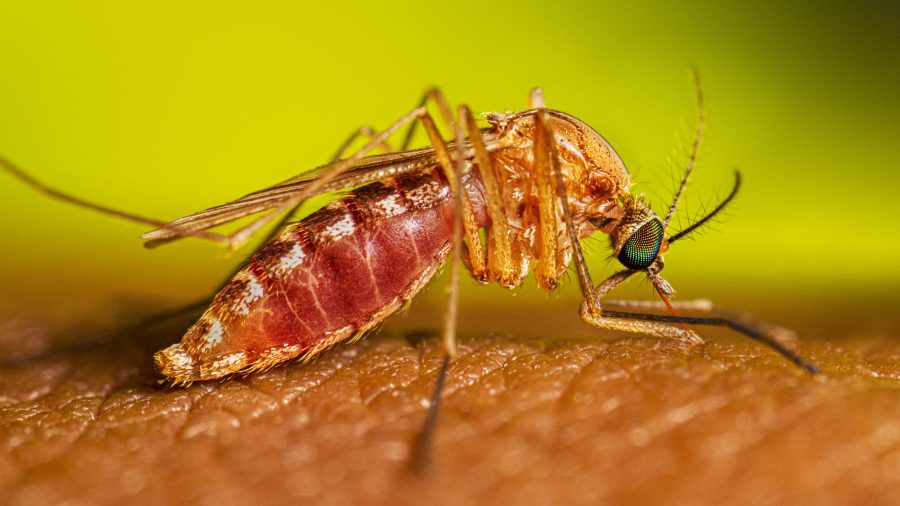



The patient is an adult between the ages of 18 and 40 from eastern Iowa. State testing has also detected the virus in mosquitoes this season.
Updated August 12, 2026.
Iowa has recorded its first human West Nile virus infection of 2026. The patient is an adult between the ages of 18 and 40 who lives in eastern Iowa.

The State Hygienic Laboratory confirmed the infection. Iowa Health and Human Services (Iowa HHS) did not identify the patient’s county of residence or provide information about the person’s condition.
State testing has also found West Nile virus in Iowa mosquitoes this season. The detection indicates that exposure remains possible while mosquitoes are active.

Iowa recorded 57 human cases and three deaths related to West Nile virus in 2025.

Most West Nile virus infections cause no symptoms
Between 70% and 80% of people infected with West Nile virus develop no symptoms. About one in five develops a fever along with headaches, body or joint pain, vomiting, diarrhea or a rash.
Symptoms usually begin two to six days after an infected mosquito bite. However, they may take as long as 14 days to appear.

Fewer than 1% of infected people develop a serious illness that affects the brain or the membranes surrounding it. Severe symptoms can include a high fever, stiff neck, confusion, tremors, seizures, muscle weakness or paralysis.
A high fever accompanied by confusion, a stiff neck, tremors or sudden muscle weakness requires immediate medical attention.
Older adults face a higher risk of severe illness
Severe illness can occur at any age. However, the risk increases among adults over 60 and people with cancer, diabetes, high blood pressure, kidney disease or weakened immune systems.
No West Nile virus vaccine is available for people. There is also no medication that specifically treats the infection. Medical care focuses on managing symptoms and complications.
Most people with mild symptoms recover. Still, fatigue and weakness may continue for several weeks.
Repellent and removing standing water can reduce mosquito bites
West Nile virus primarily reaches people through the bite of an infected mosquito. Iowa HHS recommends repellents registered by the Environmental Protection Agency that contain DEET, picaridin, IR3535, oil of lemon eucalyptus, para-menthane-diol or 2-undecanone.
Iowa HHS also lists several ways to reduce mosquito exposure:
- Empty containers that collect standing water around homes and businesses.
- Repair damaged screens on doors and windows.
- Wear loose-fitting clothing that covers the arms and legs during periods of mosquito activity.
- Reduce outdoor exposure between dusk and dawn, when several mosquito species that transmit the virus are most active.
When sunscreen and insect repellent are used together, Iowa HHS advises applying sunscreen first and repellent afterward.
Products containing oil of lemon eucalyptus or para-menthane-diol are not intended for children younger than three. DEET products should not be applied to babies younger than two months.
Iowa HHS maintains additional information about mosquito-borne illnesses and exposure prevention.
Related: Iowa also recorded its first West Nile virus case of the year in 2021.
Stay informed about what is happening in your community. Visit HolaAmericaNews.com for news, culture and community updates from across the Midwest.
Facebook Comments