




Hispanic Heritage Month runs from Sept. 15 to Oct. 15. It honors the history, culture and work of Hispanic and Latino people in the United States.
By Hola America News
Updated Aug. 15, 2026.

Hispanic Heritage Month is a 31-day U.S. celebration. It begins Sept. 15 and ends Oct. 15 each year.
The month honors people whose roots reach Spain, Mexico, Central America, South America and the Spanish-speaking Caribbean. It also marks their role in U.S. history and life today.
However, the celebration does not start on the first day of a month. Instead, Sept. 15 was chosen because five Central American nations mark their independence that day.
In addition, communities across Iowa, Nebraska and the Quad Cities hold festivals, parades and cultural programs each year. Hola America also publishes a regional calendar of current Hispanic Heritage Month events.


Why does Hispanic Heritage Month start Sept. 15?
Sept. 15 is Independence Day for Costa Rica, El Salvador, Guatemala, Honduras and Nicaragua.
Then Mexico marks its independence on Sept. 16. Chile follows on Sept. 18.

Together, these dates explain why Hispanic Heritage Month starts in the middle of September. They also connect the celebration to major events in Latin American history.
The celebration began as a week in 1968
Congress created National Hispanic Heritage Week in 1968. Then President Lyndon B. Johnson issued the first proclamation.

At first, the annual event lasted one week. That week had to include Sept. 15 and Sept. 16.
However, Congress passed Public Law 100-402 in 1988. President Ronald Reagan signed the law on Aug. 17 of that year.
As a result, the celebration grew from one week to 31 days. President George H.W. Bush issued the first full-month proclamation in 1989.
The Library of Congress history of Hispanic Heritage Month includes the laws and presidential proclamations that created the annual event.
Hispanic and Latino do not always mean the same thing
Hispanic often refers to people with roots in a Spanish-speaking culture. Latino or Latina often refers to people from Latin America or with roots there.
For example, a person from Spain may be Hispanic but not Latino. By contrast, a person from Brazil may be Latino but not Hispanic.
However, federal data often use “Hispanic or Latino” as one category. The Census Bureau says the group includes people of Cuban, Mexican, Puerto Rican, Central American, South American or other Spanish culture or origin.
Also, Hispanic or Latino people can be of any race. The Census Bureau’s Hispanic origin page explains how the federal government uses the category.
Still, no single label describes everyone. Some people prefer Hispanic or Latino. Others use a name tied to their family’s country or culture.
About one in five U.S. residents is Hispanic or Latino
Census QuickFacts lists Hispanic or Latino residents as 20.5% of the U.S. population in 2025. In other words, the group makes up about one in five people nationwide.
However, that figure includes many nations, races, languages and family stories. Therefore, Hispanic Heritage Month does not honor only one culture.
Instead, the month recognizes many histories and traditions. It also honors contributions in business, education, science, art, sports, public service and other fields.
The latest national percentage is available through U.S. Census Bureau QuickFacts.
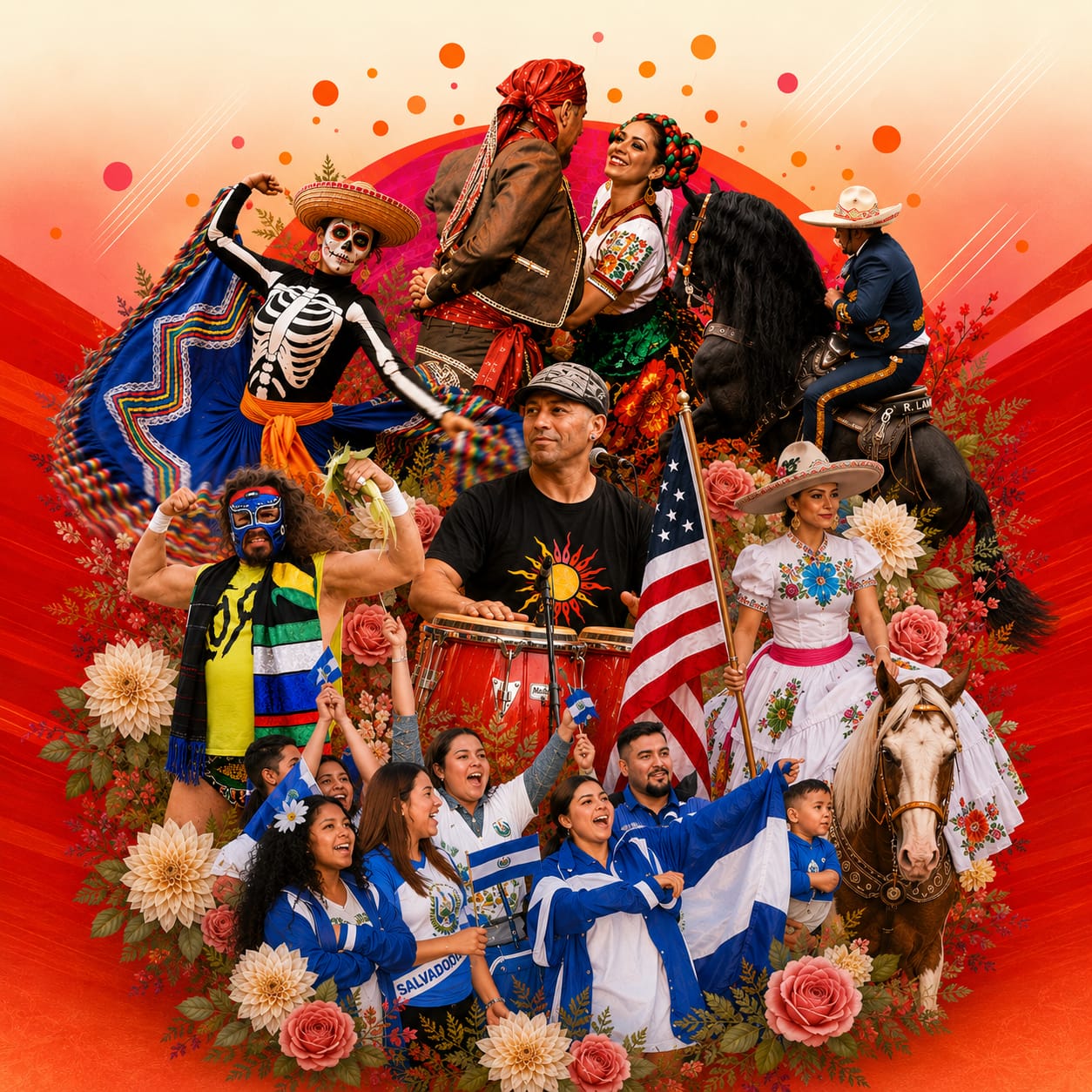
Schools, museums and festivals mark the month
Schools, libraries, museums and local groups often host exhibits, talks, music and food events. For example, programs may focus on art, civil rights, science, business or military service.
In addition, many cities hold festivals, parades and concerts. Some events begin before Sept. 15, while others continue after Oct. 15.
Local event dates change each year. However, Hispanic Heritage Month runs nationwide from Sept. 15 through Oct. 15.
Stay in the know with stories that matter — visit HolaAmericaNews.com for the latest news, culture and community updates.
Facebook Comments