
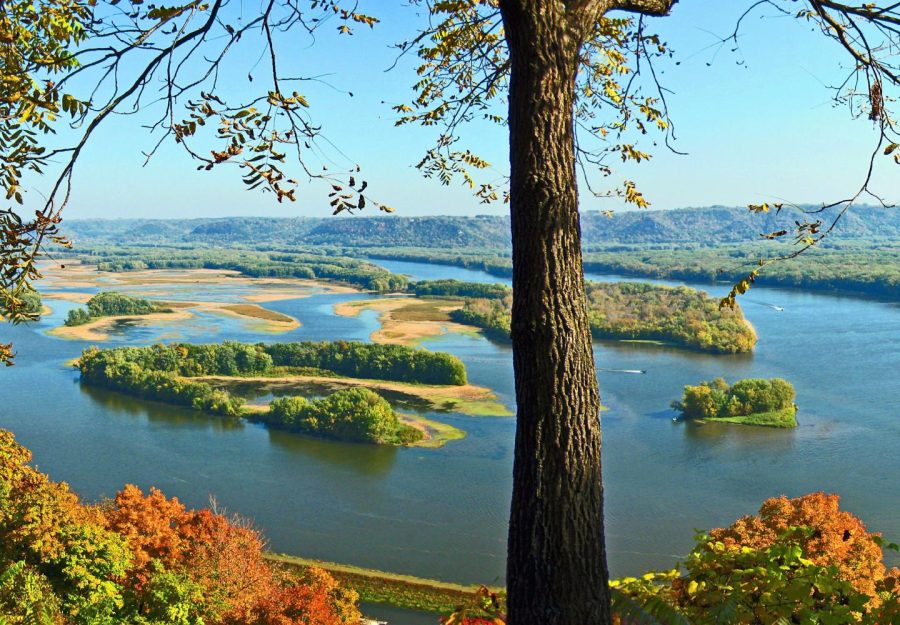



Iowa DNR’s first 2026 reports show fall color beginning across the state, with northeast and central Iowa expected to peak around mid-October.
Updated Oct. 2, 2026.
IOWA — Iowa’s 2026 fall colors are beginning to develop, but most parts of the state have not reached peak viewing yet. The latest Iowa Department of Natural Resources reports show early yellows, reds and oranges appearing across several regions.

Northeast and central Iowa are currently expected to reach peak color around mid-October, while northwest and southeast Iowa are expected to peak later in the month. South-central Iowa is projected to reach its best color from mid- to late October.
Conditions vary across the state because different tree species change at different times, and rain, wind and temperatures can affect both color intensity and how long leaves stay on the trees.

Iowa fall color conditions as of Oct. 2
| Region | Latest conditions | Estimated peak |
|---|---|---|
| Northeast Iowa | Walnuts and some sugar maples are turning yellow and orange; sumac and Virginia creeper are red. Recent rain and wind have already knocked down some leaves. | Mid-October |
| Northwest Iowa | Silver maples and American sycamores are beginning to turn yellow, while sumac is dark red. | Late October |
| North-central Iowa | Iowa DNR has not yet posted a regional condition report. | Not yet listed |
| Central Iowa | Cottonwoods, walnuts and elms are beginning to turn yellow. Some maples are showing red, while roadside sumac and Virginia creeper are turning maroon. | Mid-October |
| Southeast Iowa | The landscape remains mostly green, with some yellow and brown beginning to appear. | Late October |
| South-central Iowa | Walnuts, cottonwoods and elms are beginning to turn yellow. Some urban maples are changing, and sumac is showing burgundy. | Mid- to late October |
| West-central Iowa | Leaves are just beginning to change. Sumac is turning color, while cottonwoods are expected to show more yellow in early October. | Not yet listed |
| Southwest Iowa | Cottonwoods, walnuts, ironwoods and elms are beginning to change. Maples in towns are already showing red and orange. | Not yet listed |
Northeast Iowa is beginning to change ahead of its mid-October peak
Northeast Iowa is among the first parts of the state showing noticeable fall color. Walnuts and some sugar maples have begun turning yellow and orange, while Virginia creeper and sumac are showing red.
Iowa DNR currently estimates peak viewing in northeast Iowa for mid-October. On average, the region reaches its strongest color around the weekend closest to Oct. 10, although weather can move that window.

The Driftless Area around communities including Decorah, McGregor, Lansing and Harpers Ferry is one of Iowa’s best-known areas for fall foliage because of its wooded hills, bluffs and river valleys.
Central Iowa is showing yellow, red and maroon leaves
Central Iowa is also beginning its seasonal change. Cottonwoods, walnuts and elms are turning yellow, scattered maples are showing red and roadside sumac and Virginia creeper are becoming maroon.

Iowa DNR estimates that central Iowa will reach peak viewing around mid-October. The timing can vary within the region as different species change at different rates.
Southern Iowa remains earlier in the fall color season
Southeast Iowa remains mostly green, with only scattered yellow and brown leaves appearing so far. DNR estimates peak color there will arrive in late October.
South-central Iowa is slightly farther along, with yellow beginning on walnuts, cottonwoods and elms and some urban maples starting to change. Peak viewing there is currently estimated for mid- to late October.
In southwest Iowa, bottomland trees including cottonwood and walnut are beginning to turn, along with ironwood and elm. Maples in towns are showing red and orange, but DNR has not yet published a peak date for that region.
Fall color usually moves from northern Iowa toward the south
Iowa does not have one statewide peak weekend. Color generally develops first in the northern part of the state and moves south as October progresses.
Weather can change that pattern from year to year. Mild sunny days and cool nights can support stronger color, while heavy rain, strong wind or an early hard freeze can cause leaves to fall sooner.
Tree species also produce different colors. Hard maples can develop bright reds, hickories turn yellow, red oaks add red tones and white oaks can develop purple shades before their leaves turn brown.
Iowa DNR will update fall color conditions throughout October
Iowa DNR plans to continue posting regional fall color reports through the end of October. Current conditions and estimated peak periods are available on the Iowa DNR Fall Color Report.
Related: Things to do in Iowa and the Quad Cities this weekend: Oct. 2–4
Stay in the know with stories that matter — visit HolaAmericaNews.com for the latest news, culture and community updates!
Facebook Comments