




By Lily Allen-Dueñas
Cancer is a terrifying diagnosis that can mean a thousand different things — chemotherapy, surgery, financial strain, prolonged battles, and the threat of death.

Mayela Fonseca was sure she had beaten breast cancer. After her first diagnosis decades ago, she attended every annual mammogram, performed regular self-exams and lived a healthy life. Then, nearly 30 years later, a self-exam revealed a lump in her breast. Cancer had returned.
Fonseca’s story highlights a critical challenge facing Iowa’s Latino community: breast and cervical cancer rates are rising among Latinas, yet many women delay seeking care due to fear, financial concerns or lack of awareness about symptoms and free resources.
Unfortunately, cancer is more prevalent than ever.
Mayela Fonseca, a Costa Rican-born Iowan, knows this all too well.
Born and raised in San Jose, Costa Rica, Fonseca moved to Iowa in 1986 for a job with Pioneer Hybrid, now Corteva, in Johnston. Decades later, Fonseca was diagnosed with ductal carcinoma in situ (DCIS) in her left breast. DCIS is a non-invasive type of breast cancer where abnormal cells are confined within the milk duct and do not spread to surrounding breast tissue or other areas of the body. As far as breast cancer goes, it wasn’t the worst diagnosis. Treated with a lumpectomy and radiation, Fonseca believed her cancer battle was over.
Years went by. She diligently attended her annual mammograms and routinely performed breast exams at home. She was healthy: no high blood pressure, diabetes, or obesity. However, nearly three decades later a mammogram confirmed her biggest fear.
“This second diagnosis was a shock,” Fonseca recalls. “I thought I was done with cancer.”
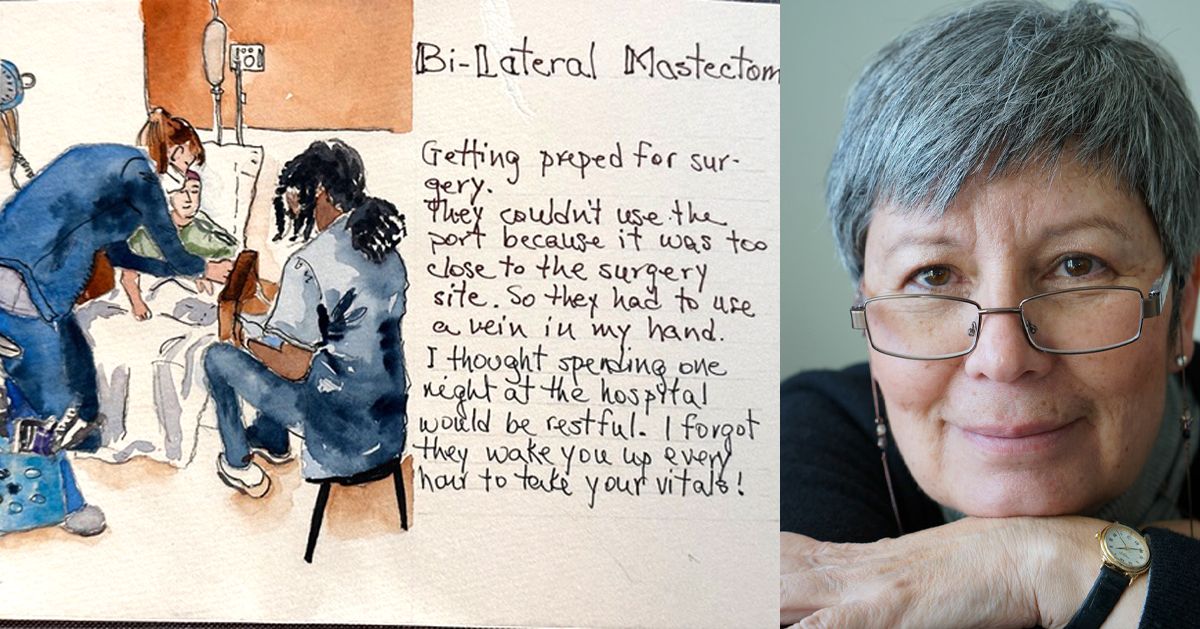
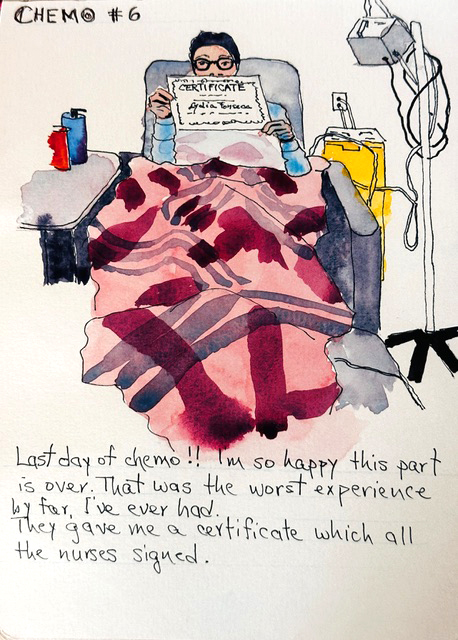
She underwent six months of grueling chemotherapy, twelve months of immunotherapy, and a bilateral mastectomy. Her active treatment concluded in April 2023. Now healthy and resilient, Fonseca looks forward to trips to Paris with her husband and hopes for many more years of health, happiness, and travel.

Fonseca’s experience reflects a broader trend. Iowa is grappling with a cancer crisis that disproportionately affects its Latino population. Since 1973, the Iowa Cancer Registry has seen cancer cases double. Iowa is the only state that saw a significant increase in cancer cases from 2015 to 2019, with the second-highest number of cancer cases in the U.S.
For Latino families, these statistics carry additional weight. According to the Office of Minority Health, part of the U.S. Department of Health and Human Services, approximately 0.10% of Hispanic females are diagnosed with breast cancer annually, a rate higher than non-Hispanic white females. Similarly, Hispanic women experience cervical cancer at a rate of 0.01% per year, significantly exceeding that of their non-Hispanic counterparts. Yet early detection remains one of the most powerful tools against breast cancer, something Fonseca emphasizes from her own experience.
“Always do self-exams,” she advises. “Whenever you see any change in your breast, go to the doctor.”
A change doesn’t just mean a lump. It can be an unexpected secretion, a nipple that feels or looks different. Fonseca shared stories of women she met during chemotherapy or throughout her cancer journey who didn’t visit a doctor for a year despite noticing unusual changes in their breasts. Delaying a diagnosis can massively worsen cancer outcomes; sometimes, delays prove fatal.
“Maybe they waited because of fear of cancer or the financial burden,” Fonseca reflects. “No matter what, if you notice something is off, anything at all, go to the doctor.”
Know Breast Cancer Symptoms
The National Breast Cancer Foundation, Inc. has a repository of information on breast cancer, stressing that knowing warning signs is vital.
Symptoms include:
- Lumps or thickening inside the breast or underarm area.
- Changes in shape or size.
- Skin changes, including dimpling, puckering, or bulging.
- Nipple changes, including inverting or changing position or shape.
- Discharge from the nipple, especially if bloody or if it occurs without pressing or squeezing.
- Redness or flaky skin.
- Persistent pain that doesn’t subside with the menstrual cycle.
- Swelling.
- Persistent itchiness around the breast or nipple area.
Local and Online Resources
The MercyOne Richard Deming Cancer Center in Des Moines, offers comprehensive all-under-one-roof multidisciplinary support, from nutrition and mindfulness to alternative therapies like Reiki and acupuncture, accessible to all cancer patients regardless of their healthcare provider or the hospital where they’re treated. Anyone with a cancer diagnosis can take advantage of the center’s offerings for free for a certain period of time, depending on their insurance carrier. Fonseca was impressed with their services, which she utilized during her cancer treatment.
Online platforms like CancerCare.org and Cancer.org provide additional support, information and resources.
Navigating Breast Cancer Treatment Without Insurance
The Iowa Department of Health and Human Services
Care for Yourself program provides free or low-cost screenings for breast and cervical cancer to women. The website has a robust FAQ section that answers many common questions.
The CancerCare Co-Payment Assistance Foundation provides financial assistance for co-payments for chemotherapy and targeted cancer treatment drugs.
Fonseca’s message is simple but urgent: “Don’t wait. Don’t let fear stop you.” Whether it’s scheduling that overdue mammogram, performing a monthly self-exam or seeking help to afford screening, taking action today could save your life tomorrow.
For Fonseca, surviving cancer twice has given her a renewed appreciation for life’s simple joys and an unwavering commitment to helping other women catch cancer early. As she plans for her trip to paint watercolor scenes in Paris, she hopes her story inspires others to prioritize their health.
If you notice any changes in your breast, have concerns or need help accessing screening services, contact the Iowa Department of Health and Human Services’ Care for Yourself program or speak with your healthcare provider. Early detection saves lives.
Stay in the know with stories that matter — visit HolaAmericaNews.com for the latest news, culture, and community updates!
Facebook Comments