


By Hola America
The decision rejects Donald Trump’s executive order, which sought to deny citizenship to certain children born in the United States to parents who lack U.S. citizenship or permanent residency.
The U.S. Supreme Court on Tuesday, June 30, rejected President Donald Trump’s attempt to restrict birthright citizenship, a protection recognized under the 14th Amendment for people born on U.S. soil.
The ruling preserves citizenship for children born in the United States to parents who are in the country without authorization or are present temporarily. The decision applies nationwide, including in Iowa, Illinois, Nebraska and the Quad Cities.
The case, Trump v. Barbara, centered on Executive Order 14160, signed by Trump on January 20, 2025, under the title Protecting the Meaning and Value of American Citizenship. The order sought to direct federal agencies not to recognize certain children born in the United States as citizens if neither parent was a U.S. citizen or lawful permanent resident.
The 14th Amendment continues to define the rule for citizenship
The Supreme Court held that children born in the United States to parents who are present without authorization or only temporarily are “subject to the jurisdiction” of the United States and are citizens at birth under the Citizenship Clause of the 14th Amendment.
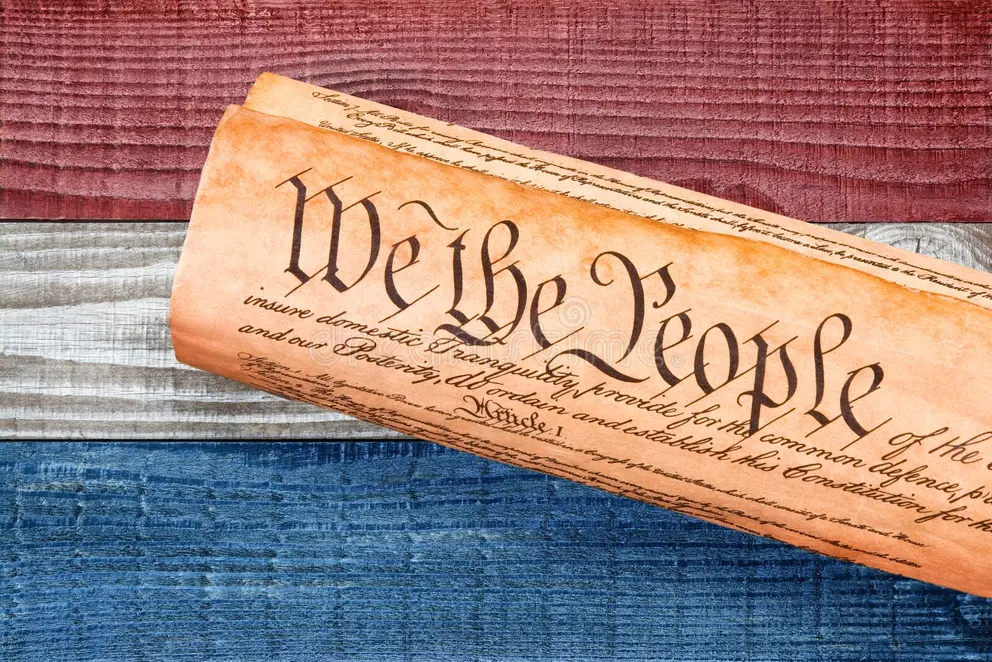
That clause states that all persons born or naturalized in the United States, and subject to its jurisdiction, are citizens of the United States and of the state where they reside.

The decision preserves the interpretation applied for generations: birth on U.S. soil grants citizenship, with limited exceptions, such as children of foreign diplomats or people who are not subject to the country’s jurisdiction.
The ruling also reaffirms the role of the 1898 precedent United States v. Wong Kim Ark, a key case in the interpretation of birthright citizenship.

Trump’s order sought to change federal recognition
Trump’s executive order argued that some children born in the United States should not be considered “subject to the jurisdiction” of the country if their parents lacked lawful immigration status or were present only temporarily.
The measure would have instructed federal agencies to deny automatic recognition of citizenship in those cases. It also would have affected federal documents tied to citizenship recognition.
Affected parents and children filed lawsuits against the order. The plaintiffs argued that the measure violated the 14th Amendment and the Immigration and Nationality Act, which uses similar language regarding citizenship at birth.

A district court blocked enforcement of the order and provisionally certified a nationwide class of children who could have lost recognition of their citizenship. The Supreme Court agreed to review the case before it completed the usual appeals process.
SUN Bucks in Iowa will provide $120 for each eligible child this summer
Midwest families keep the current framework
For families in Iowa, Illinois, Nebraska and the Quad Cities, the ruling preserves the current federal framework for children born in the United States. The decision does not create a new process or change state birth registration.
Children born on U.S. soil continue to be citizens at birth when they are subject to the country’s jurisdiction. That federal recognition is tied to documents such as birth certificates, passports, Social Security numbers and other official records or procedures.
The decision also reduces uncertainty for households where one or both parents do not have U.S. citizenship or lawful permanent residency. The executive order cannot be enforced to deny citizenship to children included within the scope of the ruling.
The ruling does not change other immigration processes
The Supreme Court’s decision focuses on birthright citizenship. It does not resolve individual immigration proceedings involving parents or modify rules on deportation, asylum, visas, work permits, permanent residency or immigration benefits for adults.
The ruling also does not eliminate other federal immigration changes. Its scope centers on whether the Constitution protects the citizenship of children born in the United States to parents who are present without authorization or on a temporary basis.
The Court’s answer was yes: those children are citizens at birth under the 14th Amendment.
Birthright citizenship remains in effect
The Supreme Court invalidated the attempt to restrict birthright citizenship through executive order.
For families, the central takeaway is that birthright citizenship remains in effect in the United States. Children born on U.S. soil continue to be citizens at birth under the 14th Amendment, including those whose parents do not have U.S. citizenship or lawful permanent residency.
The ruling was issued Tuesday, June 30, in Trump v. Barbara. The Court held that children born in the United States to parents who are present without authorization or on a temporary basis are citizens at birth under the Citizenship Clause of the 14th Amendment.
Stay connected to the stories that matter: visit HolaAmericaNews.com for the latest news, culture and community updates.
Facebook Comments